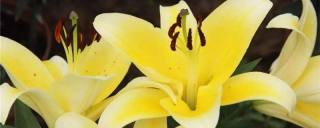
Greetings, caretaker. I am your Ligularia, a bold and dramatic perennial known for my large, rounded or jagged leaves and striking torch-like flower spikes. To help me thrive and display my full, lush potential, providing the right nourishment is essential. From my perspective, here is a detailed guide on how to fertilize me properly.
Before discussing schedules and types, you must understand my core nature. I am a denizen of moist, rich, woodland edges and stream banks. My roots crave consistently cool, damp soil that is high in organic matter. This is the single most important factor for my health. A fertilizer regimen is a supplement to this primary condition, not a replacement for it. If my soil dries out or is poor and sandy, even the best fertilizer will cause more harm than good, as it can burn my roots when moisture is insufficient. Therefore, always ensure I am well-watered before, during, and after any fertilization.
From my root system's point of view, I do not respond well to harsh, synthetic chemicals. A gentle, organic fertilizer is far superior. My preference is for a balanced, slow-release formula. Look for something with an NPK ratio close to 10-10-10 or 14-14-14. The "slow-release" aspect is critical. It provides a steady, gentle supply of nutrients over many weeks, mimicking the natural decomposition of organic matter in my native habitat. This prevents the rapid, weak growth spurts that synthetic fertilizers can cause, which makes my foliage susceptible to pests and diseases. Excellent choices include well-composted manure, compost, or a commercial organic granular fertilizer. These not only feed me but also improve the soil structure and encourage beneficial microbial life around my roots.
My growth cycle dictates the timing of my meals. I am a herbaceous perennial, meaning I die back to the ground in winter and re-emerge in spring.
Primary Feeding (Early Spring): This is the most important feeding of the year. Apply fertilizer as soon as you see my first new shoots pushing through the soil. This initial burst of energy supports the development of my large, foundational leaves, which are essential for photosynthesis throughout the growing season. A generous helping of compost or a measured application of slow-release granular fertilizer worked gently into the soil around my base will set me up for success.
Secondary Boost (Early Summer): As I begin to send up my flower stalks, a light supplemental feeding can be beneficial. This helps support the significant energy required for blooming. If you used a slow-release fertilizer in spring, this may not be necessary. However, a side-dressing of compost or a light application of a liquid organic fertilizer, like fish emulsion or seaweed extract, can give me an extra push for a more spectacular floral display.
Late Summer and Fall: Do not fertilize me after mid-summer. As the days shorten, I need to begin hardening off and preparing for dormancy. Fertilizing now would encourage tender new growth that would be vulnerable to early frosts, wasting my energy and potentially causing damage.
More is not better. Over-fertilizing is a common mistake that can lead to salt buildup in the soil, root burn, and excessive foliage at the expense of flowers. Always follow the instructions on the product label for the recommended quantity based on my size. As a general rule, for granular fertilizers, sprinkle it evenly on the soil surface starting a few inches away from my crown (the center of the plant) and extending out to the drip line (the area directly below the outermost leaves). Then, water deeply to help the nutrients seep down to my root zone. For compost, a 1 to 2-inch layer as a mulch around my base is perfect; it will feed me gradually as it breaks down and also helps retain the precious soil moisture I crave.