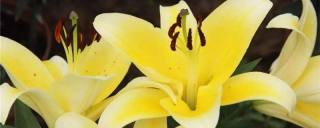
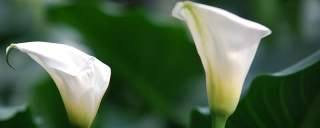
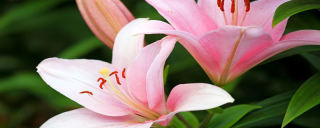
As an Easter Lily, I am accustomed to a life that begins in a cool, controlled greenhouse, timed specifically to bloom for your spring celebrations. When you bring me into your home, I experience a significant environmental shift. My most fundamental need is bright, indirect sunlight. Please place me near a south or west-facing window where the sun's rays do not scorch my delicate petals and leaves. Direct, hot sunlight will cause me to wilt and fade prematurely, a clear sign of my distress. I also prefer a consistently cool environment, with temperatures ideally between 60-65°F (15-18°C). I know your home is warm, but excessive heat from radiators, fireplaces, or direct drafts from heating vents will greatly shorten my blooming period. Think of me as a guest who prefers a refreshing spring day to a summer afternoon.
My relationship with water is a delicate one. I crave consistently moist soil, but I am terrified of drowning. My bulb, which is my life source stored beneath the soil, is prone to rot if I am left sitting in water. Please check my soil daily. Insert your finger about an inch deep; if it feels dry, it is time for a thorough, deep watering. Water me slowly at the base until you see it begin to drain from the bottom of my pot. Most importantly, empty the saucer underneath me after 15-20 minutes. I need to drink, not swim. During my active growth and bloom, this attentive watering is the greatest gift you can give me.
Flowering is an incredibly energy-intensive process for me. The beautiful, trumpet-shaped blooms you admire require significant resources. The nursery likely provided me with a slow-release fertilizer to get me through the initial blooming period. However, if you wish to keep me beyond this season, I will need supplemental nutrition. Once my flowers have faded, you can begin feeding me with a balanced, water-soluble fertilizer diluted to half-strength every two to four weeks during the spring and summer. This will help me rebuild strength in my bulb for the future. Please refrain from fertilizing me in the late fall and winter when I am in a dormant, resting state.
My life does not end when my last white petal falls. This is simply a transition to a new phase. After flowering, you have a choice. You can treat me as an annual and compost me, which is a common practice. But if you wish to challenge yourself and help me complete my full life cycle, you can encourage me to rebloom next year. First, cut off the spent flower stalks, but leave my green, strappy leaves intact. These leaves are my solar panels, absorbing light to nourish my bulb. Once the danger of frost has passed, you can acclimate me to the outdoors and plant me in a sunny spot in your garden. With patience, I will gather energy all summer, die back in the fall, and with a bit of luck, send up a new flower stalk the following year, though likely not in time for Easter.
I must be completely transparent with you: every part of me, especially the pollen in my flowers, is toxic to cats. If you have feline companions, it is crucial to either remove the anthers (the pollen-bearing parts) before they open and release pollen, or place me in a location completely inaccessible to them. Ingesting even a small amount can cause severe kidney issues. For the safety of your pets, this is my most important caution. I am a beautiful but potentially dangerous guest for your furry friends.