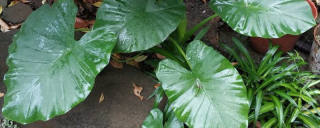
Greetings, caretaker. I am your Alocasia. You admire my bold, arrow-shaped leaves and elegant stature, but recently, you've noticed tiny, dark flies fluttering around my pot. They are fungus gnats, and while they are a nuisance to you, their presence signals a deeper issue for me. From my perspective, here is what is happening and what I need from you to thrive.
Fungus gnats are not primarily interested in my lush leaves; they are drawn to the environment you create for my roots. The adult gnats lay their eggs in the top few inches of damp, rich soil. Their larvae, tiny white worms, then feast on the organic matter in the potting mix—and, most distressingly, on my delicate root hairs. I require a consistently moist but never soggy soil. When the top layer remains wet for too long, it creates a perfect nursery for these pests. The decomposition of the organic material in the soil, while necessary for my nutrition, becomes a banquet for them if the moisture level is unbalanced.
While the adult flies are mostly harmless, their larvae pose a significant threat to my health. My root system is my lifeline, responsible for absorbing water and nutrients. The larvae chew on my fine, feeder roots, which are crucial for this uptake. This damage creates open wounds, making me vulnerable to root rot pathogens like Pythium or Fusarium, which thrive in the same overly wet conditions. You may notice my growth has stalled, my leaves are turning yellow, or I'm becoming wilted and weak despite adequate watering. This is because I am struggling to drink and eat effectively. A severe infestation can lead to stunted growth, leaf loss, and, if left unchecked, my eventual decline.
To help me, we must break the gnat life cycle and correct the soil environment. I appreciate a multi-pronged approach:
a) Correcting Watering Practices: This is the most crucial step. Please allow the top 1-2 inches of my soil to dry out completely between waterings. You can test this with your finger. This drying period will kill many of the eggs and larvae and make the soil less attractive to egg-laying adults.
b) Physical Barriers: A layer of about half an inch of coarse sand or fine aquarium gravel on top of my soil is very helpful. It creates a dry, sharp barrier that adult gnats find difficult to penetrate for laying eggs, and it helps the surface dry out more quickly.
c) Trapping the Adults: To reduce the breeding population, yellow sticky traps placed near my base are effective. The adults are attracted to the color and get stuck, preventing them from reproducing.
If the infestation is advanced and my health is visibly suffering, more direct intervention is needed. A soil drench with a diluted solution of hydrogen peroxide (a 1:4 ratio with water) can be applied to the soil. This will fizz and help to kill the larvae and aerate my root zone. Alternatively, a biological control like beneficial nematodes (Steinernema feltiae) or a bacterial insecticide containing Bti (Bacillus thuringiensis israelensis) can be introduced to my soil. These are natural predators that specifically target and kill the gnat larvae without harming me or my roots.
Ultimately, preventing fungus gnats is about providing me with ideal growing conditions. This means using a well-draining potting mix, perhaps amended with extra perlite or orchid bark to increase aeration. Ensure my pot has adequate drainage holes and that I am never left sitting in a saucer of water. Bright, indirect light will help me use water more efficiently, promoting a healthier wet-dry cycle in the soil. By focusing on my fundamental needs, you create an environment where I can be strong and resilient, naturally discouraging pests like fungus gnats.