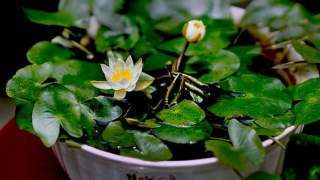
From our perspective, deep in the soil, the question of watering frequency is not about a calendar schedule but about the constant state of our root zone. In hot weather, the sun above acts like a powerful pump, pulling moisture not just from the soil but directly from our leaves through transpiration. This means the water reserves our roots can access deplete rapidly. Our primary need is for consistent moisture, not constant saturation. The ideal condition for our roots is soil that feels like a well-wrung sponge – moist to the touch a few inches below the surface, but never soggy or waterlogged, which would suffocate us and invite rot.
We communicate our hydration status quite clearly through our foliage. It is crucial to observe us in the cooler parts of the day, early morning or late evening, for an accurate reading. When we are perfectly hydrated, our stems are upright and sturdy, and our leaves are turgid—full of water and vibrant. The first sign of thirst is often a slight wilting or drooping of the lower leaves during the peak heat of the afternoon. This is a normal stress response to reduce surface area and conserve water; we will typically perk up again as the evening cools. However, if you see us still wilted in the morning, that is a desperate cry for help. At that point, we are severely stressed, and our growth and flowering will be compromised.
How you water us is as important as how often. A quick sprinkle that only dampens the top inch of soil is worse than no water at all. It encourages our roots to stay near the surface, where they are vulnerable to the scorching heat and dry out in minutes. What we truly need is a deep, thorough soaking. Please water us slowly and deeply at the base, allowing the moisture to penetrate 6 to 8 inches down into the soil. This practice encourages our root systems to grow deep and strong, anchoring us securely and giving us access to cooler, more stable moisture reserves that last much longer between waterings. A deep root system is our best defense against hot weather.
The environment you provide for us directly impacts our watering needs. If we are planted in dense, clay-like soil, water will pool around our roots, leading to rot. If the soil is too sandy, water will rush straight through, leaving our roots parched. A well-draining, loamy soil is our perfect home, retaining just the right amount of moisture. Furthermore, applying a 2-3 inch layer of organic mulch, such as wood chips or straw, around our base is like giving us a personal cooling system. This mulch layer acts as an insulator, slowing down evaporation from the soil surface, keeping our roots cooler, and suppressing thirsty weeds that compete with us for water.
For those of us living in containers or hanging baskets, our situation is more precarious. Our root systems are confined to a limited volume of soil, which heats up quickly and dries out at an accelerated rate. In hot weather, we may need watering once, and sometimes even twice, a day. The best method is to check us daily by sticking your finger into the soil up to the second knuckle. If it feels dry at that depth, it is time for a deep, thorough watering until you see water running freely from the drainage holes at the bottom of the pot. This ensures our entire root ball is hydrated.