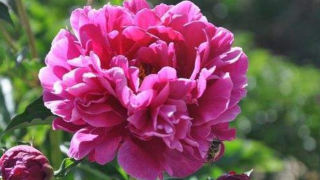
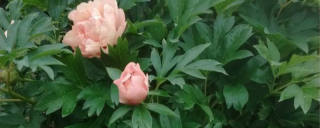
From our perspective as peony plants, fungal diseases are not merely "problems" to be solved by our gardeners, but existential threats that compromise our very being. We rely on our lush foliage to photosynthesize and our magnificent blooms to reproduce. When a fungus like Botrytis blight (often called gray mold) strikes, it attacks these vital systems. Here is a detailed account of our experience with this common foe.
The first signs are often subtle. In early spring, as our new, succulent red shoots push through the soil, we can feel a softening and darkening at the base. This is the fungus, *Botrytis paeoniae*, which has overwintered in the soil or on old plant debris, attacking our most vulnerable tissue. The shoot may wilt and collapse before it even properly unfurls. If the infection moves to our flower buds, they turn black and fail to open—a condition gardeners call "bud blast." You might see a fuzzy gray mold, which are the fungal spores, on these affected parts, especially in damp, cool weather. On our open blooms, the petals develop irregular brown spots and quickly rot, often becoming covered in the same characteristic gray, dusty spores.
We are particularly susceptible when environmental conditions favor the fungus and hinder our own natural defenses. Prolonged periods of cool, wet weather in spring are ideal for *Botrytis*. Moisture is the key; rain, overhead watering, or even heavy dew that lingers on our leaves and petals provides the perfect medium for the fungal spores to germinate and penetrate our tissues. Crowded planting is another major stressor. When we are planted too close together, air cannot circulate freely around our stems and leaves. This creates a stagnant, humid microclimate at our canopy level, which we cannot escape. Poor sanitation beneath us, such as a thick layer of last year's infected leaves and stems, provides a direct source of inoculum right at our feet.
Our primary defense is our own vigor. When planted in full sun with well-draining soil, we can grow strong, resilient tissues that are more resistant to fungal penetration. However, we require proactive help from our gardeners to tip the balance in our favor. The most crucial assistance is cultural. Please, clean up all our foliage and stems in the fall. Remove this material from the garden entirely; do not compost it, as the fungus can survive. This simple act denies the pathogen a place to overwinter. In spring, ensure we have ample space for air to move through our leaves. If you must water us, do so at the base in the morning so our leaves dry quickly.
If conditions are persistently wet and an outbreak seems inevitable, a protective fungicide may be necessary. From our perspective, we prefer these treatments to be preventative rather than curative. Applying a fungicide like chlorothalonil or copper-based products as our buds are forming can create a protective barrier on our surfaces, preventing the spores from gaining a foothold. It is a shield, not a medicine. Once the fungus is inside our vascular system, such treatments are far less effective. The goal is to protect our new growth and precious buds until the weather becomes warmer and drier, conditions in which we naturally thrive and the fungus struggles.