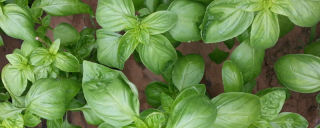
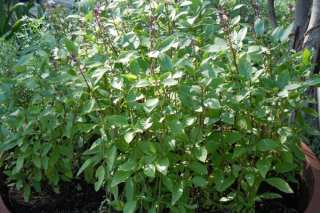
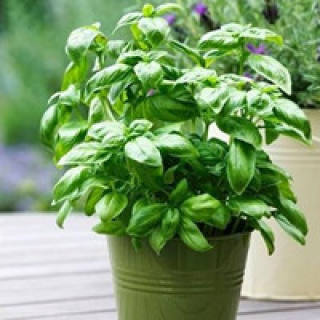
From our perspective as basil plants (Ocimum basilicum), successful companionship in the garden is rooted in shared needs and mutually beneficial relationships. We are tender annuals that thrive in warm, sunny locations with well-drained, fertile soil and consistent moisture. Our primary goal is to grow lush, flavorful leaves before flowering. Therefore, ideal companions are those who do not compete aggressively for these fundamental resources of sunlight, water, and nutrients. Furthermore, we possess a secret weapon: our highly aromatic leaves emit a strong scent that can confuse or repel certain insect pests. This trait makes us valuable protectors for more vulnerable plants.
Many of our most successful partnerships are formed with plants that benefit from our pest-deterring qualities. The volatile oils in our leaves, such as estragole and linalool, create a natural aromatic barrier.
Tomatoes: This is perhaps our most famous partnership. We are known to help repel troublesome insects like tomato hornworms, whiteflies, and aphids. From our viewpoint, tomatoes provide a bit of light shade during the hottest part of the day, which can prevent our leaves from scorching. This is a classic example of mutualism.
Peppers and Eggplants: As fellow members of the nightshade family (Solanaceae), peppers and eggplants face similar pest pressures as tomatoes. Our presence nearby offers them the same protective aromatic shield, helping to create a healthier growing environment for the entire bed.
Asparagus: We can help in the long-term battle against the asparagus beetle. By planting us nearby, we contribute to reducing this specific pest population, allowing the asparagus ferns to strengthen and store more energy for the next season's harvest.
Beyond pest control, some companionships are believed to improve the overall vitality or even the flavor of neighboring plants.
Lettuce, Spinach, and other Leafy Greens: We can provide a valuable service to these cool-season crops. As they struggle in the intense summer heat, our larger, bushier growth can offer them dappled shade, prolonging their harvest period and preventing them from bolting too quickly. In return, their shallow root systems do not compete deeply with our own root structure for water and nutrients.
Root Vegetables: Plants like carrots, radishes, and parsnips are excellent companions. They occupy a different soil stratum, growing downwards while we spread outwards and upwards. This efficient use of space and resources means we are not in direct competition. There is also a long-held gardening belief that our proximity can improve the flavor of certain crops like tomatoes.
Just as there are good neighbors, there are plants with which we do not coexist well. It is crucial to avoid these pairings to ensure our mutual health and productivity.
Rue (Ruta graveolens): This is our most significant antagonist. Rue secretes substances from its roots that can severely inhibit our growth, leading to stunted, weak plants. We must be planted far apart.
Other Strongly Aromatic Herbs: While not as directly harmful as rue, planting us very close to sage, thyme, or common mint can be problematic. These herbs have different moisture requirements; they often prefer drier conditions, whereas we need consistent moisture. Furthermore, their potent essential oils might interact in ways that are not beneficial, and their competitive nature can lead to resource struggles.
Cucumbers and Fennel: While not universally agreed upon, some gardeners observe that we do not thrive next to cucumbers. Fennel, on the other hand, is known to be allelopathic to many plants, including us, meaning it releases chemicals that can suppress the growth of its neighbors.