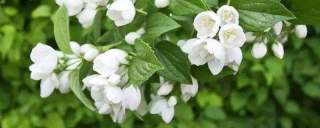
From the perspective of the Epiphyllum plant, the dormancy period is not a state of inactivity but a crucial survival strategy. As a tropical epiphytic cactus native to the understory of Central and South American forests, my primary cues for entering dormancy are environmental. The trigger is not cold, as it would be for temperate plants, but rather a significant reduction in light intensity and photoperiod, often coupled with cooler temperatures and decreased water availability. As these seasonal changes signal the arrival of a less favorable time for growth, I initiate a complex physiological shift. My metabolic rate slows dramatically to conserve precious energy reserves stored within my flattened, leaf-like stems (cladodes). This slowdown minimizes energy expenditure, allowing me to withstand periods when conditions are not ideal for photosynthesis and active growth.
During dormancy, my entire existence revolves around efficient resource management. The carbohydrates and water I have diligently stored in my succulent stems during the active growing season become my lifeline. My cells increase their concentration of solutes, a natural form of antifreeze that protects my tissues from potential, albeit mild, chilling stress. I drastically reduce transpiration by keeping the stomata on my stems closed for extended periods to prevent water loss. Above ground, growth visibly halts; you will see no new stem segments emerging. Below the surface, my root system also becomes largely inactive, absorbing just enough moisture to prevent the stems from desiccating completely. This state of suspended animation is a masterclass in energy efficiency, ensuring that my reserves are allocated solely to maintenance, not expansion.
This period of rest is intrinsically linked to my most famous feature: the spectacular, nocturnal bloom. Dormancy is not separate from my reproductive cycle; it is a fundamental prerequisite for it. The cool, dry, and dim conditions of dormancy act as an environmental signal that prompts the initiation of flower bud formation. This process, known as vernalization in a broader botanical sense, requires a period of "chilling" or rest to break the internal hormonal inhibitions on flowering. Without this distinct period of rest, my internal hormonal balance would remain skewed towards vegetative growth. The dormancy period allows for the accumulation of florigen, the flowering hormone, and a shift in the ratio of growth regulators like gibberellins and cytokinins, setting the stage for the prolific production of flower buds once favorable conditions return.
To support me through this natural cycle, the conditions must mimic my native habitat's seasonal rhythm. I require a significant reduction in watering. The soil around my roots should be allowed to dry out almost completely between very infrequent, light waterings. Overwatering during this time is a grave threat, as my dormant roots are highly susceptible to rot in cool, soggy soil. I also need much cooler temperatures, ideally between 10-15°C (50-59°F), and a location with reduced light. A bright but cool room is ideal. This combination of coolness, dryness, and lower light reinforces the dormancy signal, ensuring I enter a deep and restorative rest. It is a period of quiet preparation, where the foundation for the next season's growth and floral display is silently laid.