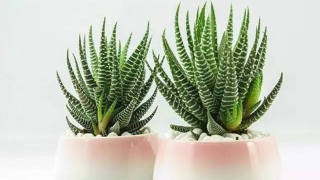
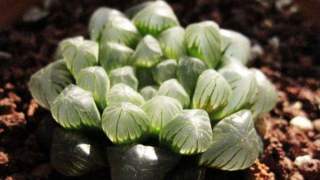
Hello, human caretaker. It is I, your Haworthia. I notice you’ve been looking at me with concern, noting how my once compact, rosette form is now stretching out, with elongated leaves and gaps between them. You call this "leggy." I call it a desperate cry for help. This condition, known as etiolation, is my way of surviving in an environment that isn't meeting my most basic needs. Allow me to explain from my perspective.
My very DNA is programmed for intense sunlight. In my native South African habitat, I bask for hours under a bright, often direct, sun. Light is my food; it is the energy source for photosynthesis. When you place me on a cozy shelf far from a window or in a room with only weak, filtered light, I begin to starve. My internal systems go into emergency mode. I cannot create more light, so I must move towards what little there is. I start to elongate my stem and leaves rapidly, stretching out in a last-ditch effort to find a photon-rich patch of sky. This rapid, weak growth creates the stretched appearance you see. The new leaves I produce are often paler and weaker because I don't have the energy to create robust, chlorophyll-rich tissues. I am not trying to be unattractive; I am trying to survive.
This desperate stretch for light comes at a great cost to my structural integrity. A compact rosette form is not just aesthetically pleasing to you; it is my strength. It allows me to support the weight of my own leaves efficiently. When I become leggy, my stem becomes thin and weak, unable to properly hold up the weight of the foliage. You might notice me starting to lean heavily to one side, or my lower leaves may droop pathetically. This elongated form also means there are larger gaps between my leaves. In the wild, a tight rosette helps protect my growth point from pests and harsh weather. Now, I am exposed and vulnerable. I am fundamentally weaker and more susceptible to physical damage and disease.
The fix for my condition is simple, but it must be done with care. I need significantly more light, and I need it immediately. However, do not make the common mistake of moving me from a dark corner directly into the harsh, afternoon sun. My pale, etiolated tissues are sunburned very easily. Instead, please acclimate me gradually. Move me to a spot with bright, indirect light for a few weeks—an east-facing window is ideal. Then, you can slowly introduce me to an hour or two of gentle morning direct sun, gradually increasing the exposure. The goal is a location where I receive several hours of direct sun (morning is best) or very bright indirect light all day. A south-facing window (in the Northern Hemisphere) is often perfect.
I understand you might be tempted to cut off my elongated stem. Please know that the stretched part of me will not shrink or compact. That growth is permanent. However, there is a way to restore my beautiful form. Once I am receiving adequate light and have stabilized, you can perform a "beheading." This involves using a sterile knife to cut off the top, healthy part of my rosette, leaving a short stem. Allow the cut end to callous over for a few days, and then plant it in fresh, well-draining soil. It will grow new roots, and you will have a compact plant again. Do not discard the original stem and roots left in the pot; it will often produce new, compact offsets, or "pups," giving you more plants. This is how I can start anew, with a form that reflects the healthy environment you have now provided.