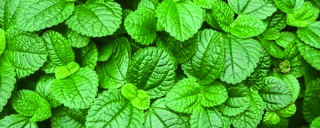
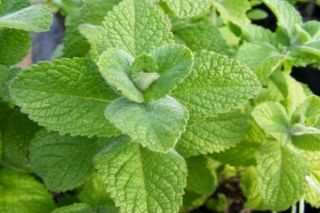
From a botanical perspective, mint (Mentha spp.) is a resilient herbaceous perennial whose light requirements are best understood by examining its native environment. Mint species naturally thrive in the moist, semi-shaded understories of woodlands and along the edges of streams. This origin point is crucial. Its physiology is adapted to utilize bright but often dappled or indirect light. The plant's metabolic processes, particularly photosynthesis, are highly efficient and do not require the intense, sustained energy output that full sun-demanding plants like rosemary or lavender need. In fact, its adaptation to lower light conditions is a key competitive advantage in its natural habitat.
In horticultural terms, "full sun" is defined as at least six to eight hours of direct, unfiltered sunlight per day. For a mint plant, this is not an ideal scenario. While mint is exceptionally adaptable and can survive in full sun, it does not truly thrive under these conditions. Its preference leans strongly toward "partial sun" or "partial shade," which typically equates to approximately three to six hours of morning sunlight, followed by shade or dappled light in the intense afternoon heat. This preference is directly linked to the plant's need to conserve water and regulate its internal temperature.
When a mint plant is subjected to full sun, especially in hotter climates, it undergoes significant physiological stress. The primary issue is transpiration—the process of water movement through the plant and its evaporation from leaves. Intense sunlight and heat dramatically increase the rate of transpiration. Since mint has a high water content and relatively tender leaves, it risks losing water faster than its roots can absorb it. This leads to visible signs of stress: leaves may become wilted, scorched, or develop crispy, brown edges. The plant will prioritize survival over growth, often resulting in stunted development and a less vigorous flavor profile in the essential oils.
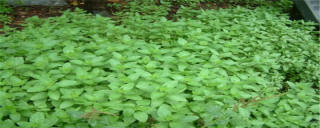
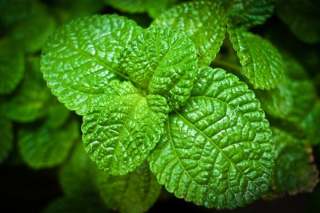
Providing mint with partial shade, particularly protection from the harsh afternoon sun, aligns perfectly with its innate needs. In these conditions, the plant can perform photosynthesis efficiently without the accompanying stress of excessive water loss. The soil remains cooler and retains moisture for longer periods, which mint greatly prefers as it is naturally a moisture-loving plant. This reduced stress allows the plant to direct its energy into robust vegetative growth—producing an abundance of lush, green leaves and spreading via its runners (stolons). The essential oils that give mint its characteristic aroma and flavor are also more consistently developed under these less stressful, moderate light conditions.
It is important to note the remarkable adaptability of mint. Its survival instinct is strong. In cooler northern climates, mint may tolerate and even appear to grow well in full sun, as the intensity of the sunlight and heat is less extreme. However, even in these regions, the plant will almost always be lusher, greener, and require less frequent watering if given afternoon shade. For a gardener, the goal is not just survival but cultivating the healthiest, most productive plant possible. Therefore, while mint can endure full sun, providing it with partial shade replicates its natural ecological niche and promotes its most vigorous and flavorful growth.