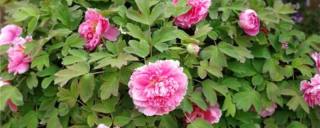
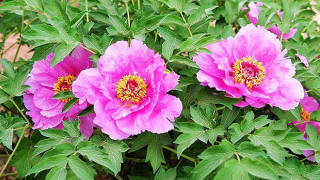
Peonies (genus Paeonia) are generally considered to be deer-resistant plants, though it is crucial to understand that "deer-resistant" is not synonymous with "deer-proof." This resistance stems from their chemical and physical makeup. Peonies contain paeonol, a compound found particularly in their bark and roots, which is used in traditional medicine and contributes to a bitter, unappealing taste. Furthermore, the foliage and flowers of many peony varieties have a slightly bitter taste and a strong, sometimes unpleasant fragrance to the sensitive palates of deer. When preferred food sources are scarce, such as during drought or in late winter, a hungry deer may sample a peony, but it is rarely their first choice.
Beyond their chemical defenses, peonies possess physical attributes that make them less desirable to browse. The texture of their stems and leaves can be somewhat tough and unappetizing compared to the soft, succulent foliage of plants like hostas or daylilies, which are deer favorites. The structure of the plant itself, with its woody stems and large, sometimes heavy flowers, is not as easy or appealing for a deer to consume as more delicate plants. This combination of off-putting taste, strong scent, and coarse texture classifies the peony as a plant that deer will typically avoid if other more palatable options are available in the landscape.
The effectiveness of a peony's natural defenses can vary significantly across different regions of the United States due to local deer population density and the availability of native food sources. In areas with high deer pressure—where large populations have over-browsed their natural habitat—deer are more likely to venture into gardens and eat plants they would normally avoid. A peony in a suburban garden in New Jersey, which has a very high deer density, is at a much greater risk of being nibbled than one in an urban garden in Arizona. Therefore, while the plant's inherent traits provide resistance, local conditions ultimately influence the level of protection it enjoys.
For gardeners in areas with significant deer populations, relying solely on a plant's natural resistance is often not enough. Implementing a multi-layered defense strategy is the most effective approach to ensure peonies remain untouched. This can include the use of physical barriers, such as tall fencing, which is the most reliable method. Alternatively, or in conjunction, using scent-based and taste-based deterrents can be effective. These sprays need to be reapplied frequently, especially after rain. Another strategic approach is companion planting; surrounding peonies with other plants known for their high deer resistance, such as lavender, sage, or catmint, can create a protective barrier of unappealing scents and textures that encourages deer to move on without sampling the peonies.