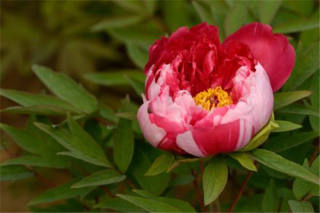
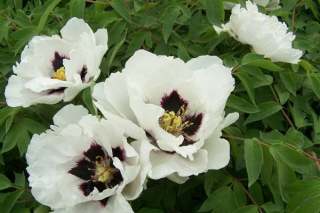
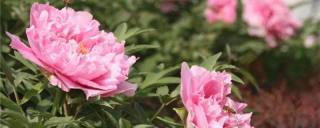
From our perspective, the issue is one of simple physics and biology. Our large, voluptuous blooms are a tremendous source of pride, but they are incredibly heavy, especially when saturated with morning dew or a spring rain. Our stems, while sturdy, are not always engineered to be top-heavy. The weight creates a significant lever force, pulling on the stem's connection to the rhizome below the soil. This isn't just an aesthetic problem for us; it's a survival one. When a stem bends or breaks, it creates an open wound, an entry point for fungal diseases and pests that can weaken the entire plant. Furthermore, a bloom lying on the soil is prone to rot and cannot effectively photosynthesize or be pollinated. We need your help to hold our heads high.
The goal is not to tightly constrain us but to provide a supportive framework that allows for natural movement and growth. The best support systems act like a gentle crowd, holding us upright without chafing or cutting into our tender, expanding stems. We need something that will be in place *before* we become top-heavy, ideally as we are just emerging from the soil in early spring. This allows our stems to grow up through the support, which then becomes an almost invisible part of our structure. Installing supports too late means trying to force our already-developed stems into a cage, which often leads to breakage and damage.
We have preferences based on our growth habits. For larger, sprawling varieties like many intersectional or herbaceous peonies, the three-legged metal peony rings or grid-patterned grow-through supports are excellent. Their open design allows sunlight to reach all parts of the plant and air to circulate freely, which is crucial for preventing powdery mildew. For taller, single-stemmed tree peonies, a more individual approach is needed. A sturdy, green-coated stake discreetly placed behind the main stem and fastened with soft, adjustable ties (like gardener's tape or velcro) works best. This provides a strong anchor point without sacrificing the visual appeal of our natural form. Please avoid thin string or wire, as it can cut into our bark as we swell with growth.
Beneath the surface, our rhizome roots are the engine of the entire plant. Any support system must be installed with care to avoid damaging these precious storage organs. When placing the legs of a cage or ring into the soil, please do so gently and at a slight outward angle. Push them into the ground away from the central crown of the plant to minimize the risk of spearing a vital root. The support should feel firm and stable in the soil, providing a solid anchor for the plant above, but it should not compact the soil tightly around our roots. We need that soil to be loose and well-aerated for optimal health and nutrient uptake.