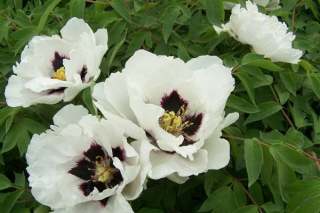
From our perspective as peonies, sunlight is our primary energy source. We convert solar energy, water, and carbon dioxide into sugars through the process of photosynthesis. This fuels our growth, the development of our strong stems and lush foliage, and most importantly, the production of our large, opulent flowers. Insufficient sunlight directly limits our photosynthetic capacity, resulting in weak growth, sparse foliage, and few to no blooms. Therefore, our fundamental requirement is for a location that provides ample sunlight to meet these energetic demands.
To truly thrive and produce our best blooms, we require a minimum of 6 to 8 hours of direct, unfiltered sunlight each day. The quality of this light is crucial; the morning sun is particularly beneficial as it gently dries the dew from our leaves, helping to prevent fungal diseases like botrytis. While we can tolerate some afternoon shade, especially a few hours of dappled light, a full day of deep shade is detrimental to our health and flowering potential. This baseline requirement is universal for our species, but its application differs based on the intensity and duration of the local climate's summer season.
In southern states, the intensity and duration of summer sunlight and heat can be stressful for us. While we still crave long hours of light for photosynthesis, the relentless, scorching afternoon sun can sometimes cause our petals to bleach and our foliage to wilt or scorch. In these warmer regions, the ideal situation is a planting site that receives full sun from morning until early afternoon. Then, we greatly appreciate being shaded during the hottest part of the day, typically from about 2 PM onwards. This protection from intense late-day sun conserves our water, prevents heat stress, and often helps our flowers retain their vibrant color for a longer period. A location with eastern exposure is often perfect for us in the South.
In northern states, our relationship with the sun is different. The growing season is shorter, and the sun's angle is lower, making its rays less intense. Here, we need to maximize every minute of sunlight available to us to generate enough energy for growth and to set buds for the next season. We require a full 8 or more hours of direct, unobstructed sun. A southern or western exposure is ideal. In these climates, afternoon shade is not a benefit but a hindrance, as it robs us of precious energy-gathering time. The cooler temperatures mean the risk of heat stress is minimal, so we can bask in the sun all day without any adverse effects on our flowers or foliage.
A common misunderstanding is that our sunlight needs are only important during the spring bloom period. However, the sunlight we receive in the weeks and months after flowering is arguably more critical. This post-bloom period is when we are gathering energy to form the nascent flower buds for next year's display. This process occurs at our crown, just below the soil surface. If we are shaded during this time—by nearby growing trees or structures—our photosynthetic output drops. This energy shortage directly results in a lack of bud formation, leading to a disappointing lack of flowers the following spring, regardless of your location.