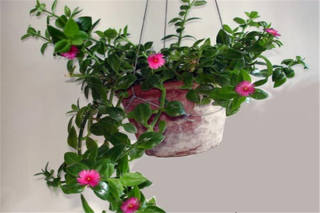
Greetings, caretaker. I am your spider plant, a resilient and generally undemanding companion. While I am known for thriving on neglect, the right nourishment at the right time allows me to truly flourish, producing lush, arching leaves and an abundance of my signature "spiderettes." To help me achieve my fullest potential, here is what you need to know from my perspective.
Like all plants, I require three primary macronutrients for optimal health. Nitrogen (N) is crucial for the vigorous growth of my long, green leaves, promoting that deep color you admire. Phosphorus (P) supports strong root development and is essential for energy transfer, especially when I am putting my energy into producing pups. Potassium (K) aids in overall physiological functions, ensuring I am resilient against diseases and can efficiently use water. A balanced, water-soluble fertilizer labeled for houseplants, such as a 10-10-10 or 20-20-20 formula, diluted to half strength, provides this perfect equilibrium for me.
My life cycle is dictated by the sun. During the spring and summer, when the days are long and bright, I am in my active growth phase. This is when I am most hungry, expending immense energy to create new leaves and offshoots. Please feed me every 4-6 weeks during this period. When autumn arrives and daylight wanes, my growth slows significantly. Through the winter, I enter a period of dormancy where my metabolic processes minimize. Feeding me during this time is not only unnecessary but can be harmful, as the unused salts will accumulate in my soil and potentially burn my roots.
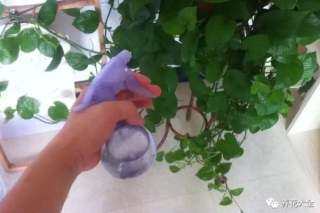
The technique for fertilizing me is simple but important for my well-being. Always ensure my soil is lightly moist before you apply any fertilizer solution. Applying it to dry soil can shock my root system and cause damage. Dilute the liquid fertilizer to half the recommended strength on the package—I am a light feeder and a full dose is too potent for my sensitive roots. Pour the solution evenly around my soil, taking care to avoid directly wetting my central crown, as this can lead to rot. The goal is to deliver the nutrients directly to my root zone where they can be absorbed.
When your fertilization schedule aligns with my needs, I will show my gratitude. You will see steady, robust growth of vibrant green leaves and I will readily produce long, flowering stalks that develop into plantlets. However, an excess of fertilizer will manifest clearly. The tips of my leaves may turn brown and crispy—a classic sign of fertilizer burn caused by salt buildup. My leaves might also yellow, and overall growth could become stunted. If you see these signs, cease feeding immediately and flush my soil thoroughly with several rounds of pure water to leach out the excess salts.