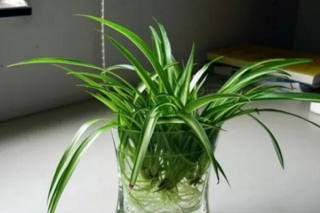
For the health and vitality of your spider plant (Chlorophytum comosum), the quality of water you provide is a critical factor. From the plant's physiological perspective, the choice between tap and filtered water hinges on the presence of specific chemical additives and minerals that can directly impact its growth, appearance, and overall well-being.
Spider plants are notably sensitive to fluoride and chlorine, chemicals commonly added to municipal tap water for public health reasons. From the plant's point of view, these elements are toxins. Fluoride is absorbed through the roots and accumulates in the leaf tips, where it interferes with metabolic processes and causes cellular damage. This manifests as unsightly brown, crispy leaf tips (tip burn), which the plant cannot repair. Chlorine can also cause similar leaf burn and may negatively affect the beneficial microorganisms living in the soil, disrupting the root zone's delicate ecosystem.
Tap water often contains dissolved minerals like calcium and magnesium (which contribute to water "hardness"). While not immediately toxic like fluoride, these minerals accumulate in the soil over time. From the root's perspective, a high concentration of soluble salts in the soil makes it harder for the plant to perform osmosis—the fundamental process of absorbing water. This creates a physiological drought, meaning the roots are surrounded by water they cannot efficiently take up, leading to symptoms of underwatering like wilting and browning, even when the soil is moist.
Using filtered water addresses the plant's core concerns. A simple carbon filter pitcher effectively removes or significantly reduces chlorine and can lower fluoride levels. More advanced filtration like reverse osmosis provides water that is almost free of minerals and chemicals. For the spider plant, this means:
* **Healthier Root System:** Roots can absorb water without chemical interference or osmotic stress, leading to more efficient hydration and nutrient uptake.
* **Aesthetic Foliage:** Without fluoride toxicity, the leaves remain a vibrant green with minimal to no brown tipping, allowing the plant to maximize its photosynthetic surface area.
* **Balanced Soil Ecology:** The absence of harsh chemicals preserves the health of the soil microbiome, which aids in nutrient breakdown and makes the soil environment more hospitable for root growth.
If filtered water is not always available, understanding the plant's needs can guide alternatives. Letting tap water sit uncovered for 24 hours will allow chlorine to evaporate (though this does not remove fluoride). For the plant, this is a marginal improvement. Rainwater or distilled water are excellent choices, as they are naturally soft and free of additives, closely matching the water the plant would prefer from its physiological standpoint. The key is consistency; a plant can often adapt to less-than-ideal water if it is not constantly switching between different types, which causes repeated stress.