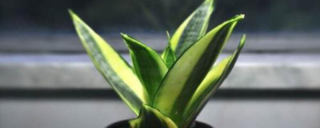
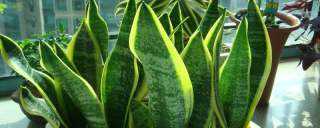
From my perspective as a plant, light is my food. I create my own energy through a process called photosynthesis. While I, a Snake Plant (Sansevieria), am renowned for tolerating low light, "tolerating" is not the same as "thriving." If I am placed in a very dark corner, my photosynthetic factories (chloroplasts in my leaves) simply cannot produce enough sugars and carbohydrates to fuel new growth. My survival strategy becomes one of conservation; I maintain my existing leaves but lack the surplus energy to produce new shoots or increase my height. My growth will be extremely slow or completely halted. For me to grow, I need a good source of bright, indirect light.
My roots are my anchor and my mouth. They absorb water and nutrients from the soil. There are two opposing root-related issues that can stop my growth. Firstly, I may be severely root-bound. If I have been in the same pot for many years, my roots may have filled every available inch of space. This dense root ball can struggle to absorb water and nutrients effectively, and it has no physical room to expand, which signals to the rest of my body that growth must cease. Conversely, if you have recently repotted me into a container that is vastly too large, I will focus all my energy on expanding my root system to fill this new space. Until my roots are sufficiently established, I will not divert energy to producing new leaves above the soil.
Water is essential, but my relationship with it is complicated. My leaves are designed to store water, making me exceptionally drought-tolerant. The most common mistake is giving me too much water, too often. Soggy, waterlogged soil suffocates my roots, preventing them from breathing and absorbing nutrients. This leads to root rot, a condition where my roots decay and die. A plant with a damaged root system cannot support growth and will instead enter a state of decline, often showing as yellowing or mushy leaves. On the other hand, if I am given no water at all for many months, I will go into a state of dormancy to survive and will not grow. Furthermore, if the soil I am in has been depleted of all nutrients, I simply have no building blocks (like nitrogen for green leaf growth) to create new tissue.
As a tropical plant, I am programmed for warmth. My metabolic processes, including growth, are optimized in temperatures between 70°F and 90°F (21°C and 32°C). If I am placed in a consistently cool or cold environment, such as a drafty hallway or a room with air conditioning blowing directly on me, my metabolism slows down significantly. This is a protective measure to conserve energy during what my biology perceives as an unfavorable season. This dormancy-like state will cause me to pause all growth until the conditions become warmer and more favorable for my cellular processes to function efficiently again.