From a plant's perspective, the primary concern is survival, and for the Snake Plant (*Sansevieria*), its greatest threat is not drought but overwatering. We are native to arid regions of West Africa, where the soil is rocky and well-draining, and water is scarce. Our root systems are rhizomatous, meaning we store water and nutrients in thick, underground stems called rhizomes. While this makes us exceptionally drought-tolerant, it also means our roots are highly susceptible to rot if they are forced to sit in saturated soil for prolonged periods. A pot that traps water creates an anaerobic environment, suffocating the roots and allowing pathogenic fungi to attack, ultimately leading to our demise.
The single most critical feature a pot must offer us is a mechanism for efficient drainage. This is not a mere preference; it is a physiological necessity. When water is applied, the excess must be able to escape the soil mass immediately and completely. This process serves two vital functions. First, it pulls fresh, oxygen-rich air down into the root zone after the water drains, which is essential for root respiration and health. Second, it prevents the dangerous pooling of water at the very bottom of the container, which is the area farthest from light and evaporation and the first place rot will begin.
The material of the pot directly influences how quickly the growing medium dries out, which is a key factor in our health.
Terracotta or Unglazed Clay: These are often the ideal choice for us. The porous clay walls allow water vapor to evaporate not just from the soil surface but through the sides of the pot itself. This "breathability" significantly accelerates the drying process, helping to replicate the dry conditions of our native habitat and providing a safety buffer against accidental overwatering.
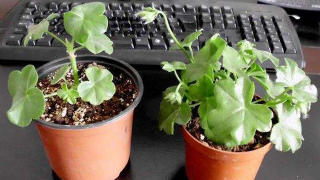
Ceramic (Glazed) or Plastic: These materials are non-porous, meaning all moisture loss must occur through the top of the soil. This causes the soil to remain moist for a much longer duration. While we can survive in these pots, they require a caregiver who is very disciplined with their watering can. They are a higher-risk environment for our root system.
Beyond material, the physical design of the pot is paramount. A drainage hole at the bottom is an absolute requirement. Without it, water has no escape route, and the soil becomes a swamp, guaranteeing root rot. Furthermore, the shape of the pot should be considered. We prefer a pot that is wider than it is deep. Our root systems tend to grow laterally and are relatively shallow. A deep, narrow pot holds a large column of wet soil below our root mass that we cannot access, creating a perpetually damp and hazardous zone. A shallower, wider pot provides a more appropriate volume of soil that can dry out more evenly and completely.