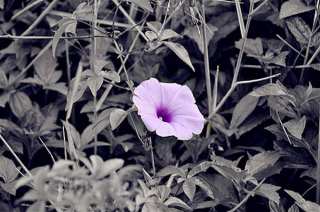
From my perspective as a petunia plant, my leggy, overgrown appearance is not a sign of illness but a desperate survival strategy. I am naturally drawn to light—it is my source of energy and life. When I am placed in a spot where my light is insufficient, perhaps shaded by other plants or receiving only weak, filtered sun, I must stretch my stems unnaturally long to reach for more photons. This rapid, vertical growth comes at a cost. I must divert energy away from producing lush leaves and vibrant blooms and pour it all into stem elongation. This makes me weak, spindly, and unable to support my own weight. Similarly, if I am not pruned, my natural habit is to grow tall and become woody at the base, as my genetic programming tells me to seek space and light above all else.
To truly revive me, you must not be afraid to make a bold cut. A simple trim will not address the core issue. I need a hard pruning to reset my growth. Using clean, sharp shears, please cut back my stems by at least one-half to two-thirds of their current length. Yes, it will look severe, and I will appear to be little more than a collection of stubs, but trust me, this is what I need. This process, while shocking, removes the energy-draining, unproductive growth and signals to my root system to redirect its resources. It encourages new, bushier growth to emerge from the nodes lower down on my stems. This is the single most effective way to convince me to stop my frantic vertical search and focus on becoming dense and full again.
After the major pruning, I am in a vulnerable but highly responsive state. I am ready to grow, but I need the right fuel to do so correctly. Please provide me with a balanced, water-soluble fertilizer. The nutrients, particularly phosphorus, will encourage me to produce a profusion of new blooms instead of just more green stems. Water me consistently, allowing the soil to dry slightly between waterings to ensure my roots get oxygen and avoid rot. Most critically, ensure I am now bathing in full sun. I require a minimum of six hours of direct sunlight daily to perform photosynthesis efficiently. With ample light, my new growth will be compact, sturdy, and covered in the flower buds we both desire, rather than weak and stretched.
Once my new growth begins to emerge, you must guide me to maintain this bushy form. This is achieved through a simple practice: pinching. As my new stems develop, use your fingers to pinch off the very top set of leaves, just above a node. This action disrupts the production of auxin, the hormone that promotes vertical dominance. It signals the lower buds to wake up and branch out, creating two new stems where there was once only one. Repeat this process every few weeks. Furthermore, consistently deadhead my spent flowers by pinching them off at the base of the bloom stem. This prevents me from wasting energy on seed production and tells me to put all my resources into creating more magnificent flowers for you.