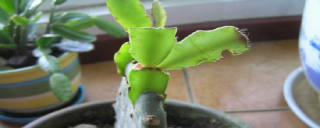
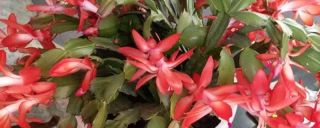
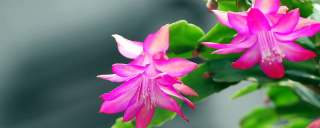
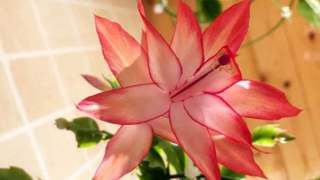
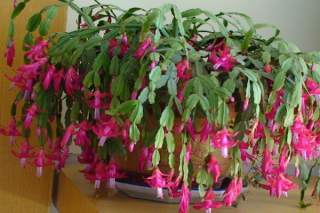
From a botanical perspective, the Christmas cactus (Schlumbergera spp.) is a perennial epiphyte, meaning its natural life cycle is indefinite under optimal conditions. Unlike annual plants that complete their life cycle in one season or biennials that take two, a perennial like the Christmas cactus is genetically programmed to live for many years. In its native habitat—the shaded, humid, and branch-laden canopies of the coastal mountains of southeast Brazil—these plants can persist for decades, often outliving the trees they grow upon. In cultivation, with proper care, it is not uncommon for a Christmas cactus to thrive for 20 to 30 years, with some family heirlooms being passed down for over a century. Its longevity is a testament to its resilient, slow-growing, and woody-based structure.
The plant's physiology provides clear clues for its care. As an epiphyte, its roots are adapted for anchoring onto trees and absorbing moisture and nutrients from the air and decaying organic matter around them, not from soil. This makes them highly susceptible to root rot in standard, dense potting mixes. Their fleshy, segmented stems are designed for water storage, allowing them to withstand brief dry periods. Furthermore, the Christmas cactus is a short-day plant. Its bloom cycle is triggered by specific environmental cues—namely longer periods of uninterrupted darkness (12-14 hours) and cooler temperatures, which signal the approach of the winter dry season in its native environment.
To maximize the plant's lifespan, one must mimic its natural conditions as closely as possible. The single most critical factor is a well-draining, aerated potting medium. A mix formulated for epiphytes, such as those containing orchid bark, perlite, and coarse peat, is ideal. This prevents water from pooling around the roots, which would lead to fatal fungal infections. Watering must be done thoroughly but only when the top inch of the growing medium feels dry to the touch. The plant prefers bright, indirect light; direct afternoon sun can scorch its segments, causing permanent damage and weakening the plant over time.
A Christmas cactus's long-term health is directly tied to respecting its annual growth and dormancy cycle. After its spectacular winter bloom, the plant enters a period of active vegetative growth throughout the spring and summer. This is the time for consistent watering and monthly feeding with a balanced, half-strength fertilizer to fuel the production of new, healthy segments. In the late fall, the plant requires a rest period to set buds. This involves reducing water, eliminating fertilizer, and exposing the plant to longer nights (over 12 hours of darkness) and cooler temperatures (around 50-60°F / 10-15°C) for approximately 6-8 weeks. Neglecting this dormancy period will prevent flowering, and repeatedly forcing year-round growth without rest will gradually deplete the plant's energy reserves, shortening its overall lifespan.