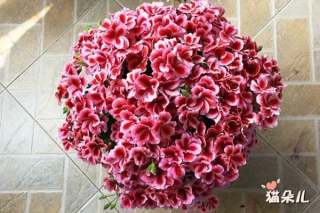
From our perspective as geranium plants, drooping or wilting leaves are a primary and distressing signal of internal distress. It is our only way to communicate that our fundamental needs are not being met, disrupting our vascular system and cellular pressure. The solutions must address the root cause of our discomfort.
Our relationship with water is delicate. Too little, and our cells lose turgor pressure—the very force that keeps us upright. We are unable to transport nutrients, and our leaves and stems collapse. Conversely, too much water fills the air pockets in the soil with liquid, suffocating our roots. Without oxygen, our root systems begin to rot and decay, making them incapable of absorbing any water at all, which paradoxically also leads to wilting.
Solution: You must learn our language. Before watering, check the soil 2-3 centimetres below the surface. If it is dry, provide a deep, thorough drink until water flows from the drainage holes. If it is consistently soggy, you must immediately cease watering. In severe cases, we require repotting into fresh, well-draining soil and a pot with adequate drainage, after carefully trimming away any soft, brown, rotten roots.
We can also wilt from shock to our system. A sudden change in location, temperature extremes, or a root-bound condition can be profoundly stressful. If our pot is too small, our roots become a tangled, congested mass that cannot effectively take up water or nutrients, no matter how much you provide. Furthermore, a rapid move from a sheltered spot to full, intense sun can cause excessive transpiration, where we lose water faster than our roots can replace it.
Solution: Acclimate us gradually to new environments over several days. Ensure our pot is an appropriate size; if roots are circling tightly inside the container, it is time to be gently repotted into a slightly larger home. Protect us from harsh, afternoon sun and from cold drafts, both of which disrupt our physiological processes.
Sometimes, the wilting is a symptom of a biological attack. Pests like spider mites or aphids suck the sap directly from our stems and leaves, diverting our vital fluids. Fungal diseases, such as root rot or bacterial wilt, attack our vascular systems, effectively plugging the channels that move water from our roots to our leaves.
Solution: Inspect us regularly, especially the undersides of our leaves. For pests, a strong spray of water or an application of insecticidal soap can be effective. For suspected disease, isolation is critical to prevent spread. You may need to remove severely affected parts and apply an appropriate fungicide, though often with advanced root rot, our prognosis is poor.
While not an immediate cause of sudden wilting, a chronic lack of essential nutrients, particularly nitrogen, can lead to a general decline in our vitality. We become weak, our growth is stunted, and we are less resilient to other stressors, making us more prone to wilting under slight duress.
Solution: During our active growing season, provide a balanced, water-soluble fertilizer formulated for flowering plants every 4-6 weeks. This gives us the strength to maintain healthy cellular function and robust growth, which is our best defence against wilting.