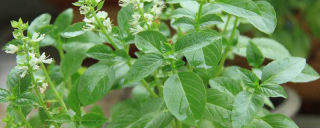
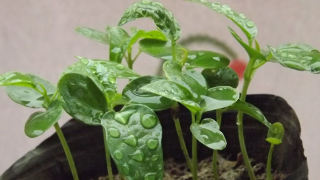
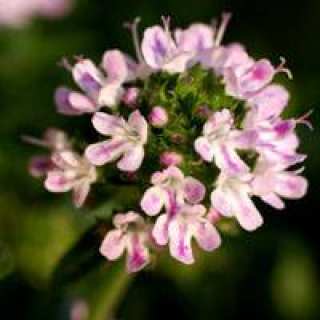
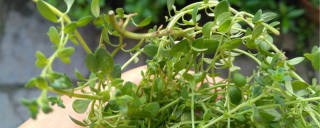
From my perspective as a Thyme plant (Thymus vulgaris), my natural home is in the sunny, well-drained, often rocky soils of the Mediterranean. My roots are adapted to seek moisture and nutrients efficiently but despise being waterlogged. Constant saturation leads to root rot, a death sentence for me. My woody stems and small, hardy leaves are built to conserve water, meaning I don't require a constantly saturated environment to thrive. This is the primary challenge—and opportunity—when considering growing me in water alone.
Growing in pure water, a method you call hydroponics, is a significant departure from my native soil. However, it is possible because it recreates the essential elements I need in a highly controlled way. Instead of soil, my roots are suspended in or flooded with a nutrient-rich water solution. This system directly provides the oxygen, water, and minerals I require for photosynthesis and growth, eliminating my need to expend energy searching for them in the soil. For a plant like me, it means all my energy can be directed toward producing the aromatic oils and new leafy growth you desire.
For this water-based life to work, you must provide what I would naturally find in a perfect habitat. First, I need oxygen. My roots will drown without it. An air pump and air stone in the water reservoir are non-negotiable; they bubble air into the solution, keeping my root system healthy and preventing rot. Second, I require the correct balance of nutrients. Plain water lacks the essential macronutrients (Nitrogen, Phosphorus, Potassium) and micronutrients (like Calcium and Magnesium) I need. You must provide a hydroponic nutrient solution, but at a slightly diluted strength, as I am a light feeder compared to leafy greens like lettuce.
The most effective way to start me in water is not from seed but from a cutting taken from an existing, healthy plant. Select a green, non-woody stem tip about 4-6 inches long. Remove the leaves from the bottom two-thirds of the cutting to expose the nodes—this is where new roots will emerge. Place this cutting into your prepared hydroponic system, ensuring only the leafless stem is submerged. With ample light (12-16 hours of bright light per day is ideal) and the oxygenated, nutrient-rich water, I will begin to develop a new, specialized set of water roots within a few weeks.
While I can live and grow in water, it is not my natural indefinite state. You must monitor and maintain the system diligently. The nutrient solution must be changed every two to three weeks to prevent algal growth and salt buildup, which can harm my roots. The pH of the water is also critical; I prefer a slightly acidic to neutral environment, around 5.5 to 7.0. Furthermore, as I mature, my stems may become woodier, and growth may slow. You may need to take new cuttings from my water-grown form to propagate fresh, vigorous plants, essentially creating a cycle of hydroponic thyme.