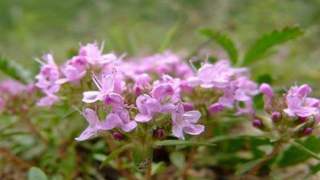
From our perspective as thyme plants, we are not heavy feeders. In fact, we are adapted to thrive in the lean, often poor, rocky soils of our native Mediterranean hillsides. Our primary need is for excellent drainage and plenty of sunlight. However, in the confines of a garden pot or a highly cultivated bed, a thoughtful and minimal feeding strategy can help you cultivate a more robust and flavorful patch of us.
Our root systems are fine and sensitive. We do not require, and are often harmed by, high levels of nitrogen. Excessive nitrogen encourages a rush of soft, weak, leafy growth at the expense of the essential oils that give us our wonderful aroma and flavor. This lush growth is also more susceptible to disease and less tolerant of drought and cold. Our main request is for a balanced, gentle, and sparse supply of nutrients. We appreciate a focus on soil health rather than forceful feeding.
When you do decide to feed us, please choose a fertilizer that is gentle and organic. A balanced, water-soluble fertilizer (such as a 5-5-5 or 10-10-10 NPK ratio) is acceptable if it is heavily diluted to half or even a quarter of the recommended strength. However, we far prefer organic options that feed the soil ecosystem, which in turn feeds us slowly and steadily. Excellent choices include a light top-dressing of well-aged compost, a watering with compost tea, or a single annual application of a slow-release, balanced organic fertilizer. These options provide a complete spectrum of micronutrients and improve soil structure without any risk of root burn.
The most crucial feeding occurs at the very beginning of our active growing season, in early spring as new growth emerges. A single, light application of compost or a half-strength dose of a balanced fertilizer at this time gives us a gentle boost for the season ahead. For those growing us in containers, where nutrients are leached out more quickly by frequent watering, a second light feeding in mid-summer may be beneficial. Please, refrain from feeding us after late summer. Fertilizing too late in the season stimulates new growth that will be too tender to survive the first frosts of autumn.
The method of application is as important as the product itself. Always ensure our soil is slightly moist before you apply any fertilizer; applying to dry soil can shock and damage our delicate roots. For liquid fertilizers, pour the diluted solution around the base of our stems, avoiding direct contact with our foliage to prevent leaf burn. For granular or compost-based fertilizers, lightly scratch them into the top layer of soil and then water thoroughly to help the nutrients begin to seep down to our root zone. Remember, the goal is a subtle encouragement, not an overwhelming push.