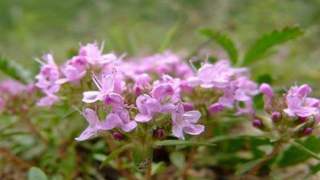
From our perspective as plants, survival is not a matter of chance but of ingrained genetic coding. We, the *Thymus* genus, are predominantly native to the sun-baked, well-drained hills of the Mediterranean. This origin has hardwired us for resilience. Our small, woody stems and tiny, often evergreen, leaves are adaptations to conserve water and withstand challenging conditions. Many of our most common culinary varieties, like *Thymus vulgaris* (Common Thyme), possess a significant level of cold tolerance. We can endure freezing temperatures because our sap contains natural antifreeze compounds that prevent ice crystals from forming within our cells and causing fatal damage. Our survival hinges on the preparation we undergo in autumn and the severity of the winter itself.
You humans have created a useful map called the USDA Plant Hardiness Zone Map to translate our needs into your geographical terms. This system is crucial for our outdoor survival. Most common thyme species are classified as perennial in zones 5 through 9. This means we can reliably survive winter outdoors in areas where the average annual extreme minimum temperature falls between -20°F and 30°F (-29°C to -1°C). If you reside within these zones, our chances of greeting you in the spring are excellent. However, if you garden in zone 4 or below, where temperatures can plummet below -30°F (-34°C), the intense and prolonged cold may exceed our natural defenses, and we would greatly appreciate being provided with winter protection or being treated as an annual.
While your zone provides a general guideline, our winter survival is also dictated by two other critical factors that you can influence: drainage and moisture. Our Mediterranean roots mean our greatest winter enemy is not the cold air, but cold, wet soil. Soggy soil around our roots robs them of oxygen and can lead to rot, which is fatal. Therefore, being planted in exceptionally well-draining soil, perhaps even in a raised bed or on a slope, is paramount. A blanket of snow can actually be beneficial, as it acts as an insulating layer, protecting our crown from wind and extreme temperature fluctuations. A harsh winter with no snow cover is far more dangerous than a colder winter with a consistent snow blanket.
As daylight shortens and temperatures drop, we enter a state of dormancy. This is not death; it is a deep sleep where our metabolic processes slow dramatically to conserve energy. Our growth ceases, and above ground, we may look a bit brown or ragged. This is normal. To aid our survival, avoid pruning us in late fall, as this can stimulate tender new growth that is highly vulnerable to frost. Instead, a light layer of a loose, dry mulch like straw or pine needles applied after the ground has frozen can help regulate soil temperature and protect our root system. Please refrain from fertilizing us in autumn, as this also promotes soft growth when we should be hardening off for our long rest.