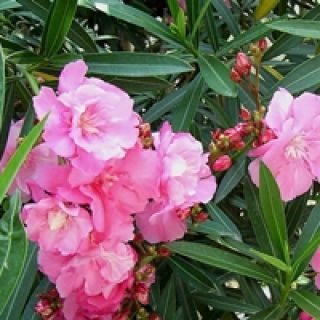
From our perspective, we Calibrachoa are heavy feeders. Our rapid growth and relentless production of millions of tiny, vibrant flowers demand a constant and specific supply of nutrients. We require a balanced diet, much like you do. The three key macronutrients we crave are Nitrogen (N), Phosphorus (P), and Potassium (K). Nitrogen is essential for building our lush, green foliage—it's the engine behind our verdant leaves and stems. However, too much nitrogen can make us focus all our energy on leaf production at the expense of our beautiful blooms. Phosphorus is crucial for strong root development and, most importantly, for energy transfer and prolific flowering. Potassium (or Potash) is our overall health supplement; it regulates our internal systems, improves drought tolerance, and strengthens our stems to support the weight of all our flowers.
When you choose a fertilizer for us, the numbers on the package matter a great deal. A formulation with a slightly higher phosphorus content is ideal for encouraging our signature floral show. Look for a ratio like 15-15-15 for a good balance, or even better, one where the middle number (phosphorus) is slightly higher, such as 10-15-10. Many of our favorite fertilizers are also labeled "Bloom Booster" or something similar, often with a ratio like 15-30-15. The single most important feature for our well-being, however, is that the fertilizer is water-soluble. This allows you to deliver nutrients directly to our roots in a form we can immediately use, giving us a quick and efficient energy boost to keep up with our demanding flowering schedule.
Our hunger is constant. A single application of fertilizer at planting time is simply not enough to sustain us through an entire growing season. We thrive on a consistent feeding schedule. For the best results, we prefer a "little and often" approach. A weak solution of a water-soluble fertilizer applied every one to two weeks when you water us is perfect. This consistent drip-feeding of nutrients prevents the feast-or-famine cycle that can cause stress, yellowing leaves, and a reduction in flowering. It keeps our metabolic processes running smoothly and ensures we have the raw materials to continuously produce new buds.
While N-P-K are our primary needs, we also require a suite of micronutrients to truly thrive and display our most vibrant colors. Elements like iron, magnesium, and calcium are vital co-factors in many of our internal processes. A deficiency in iron, for example, leads to chlorosis—a yellowing of our leaves while the veins stay green, which hinders our ability to photosynthesize effectively. Therefore, we greatly appreciate it when you select a fertilizer that includes these essential micronutrients in its formulation. This complete nutritional profile supports not just abundant blooms, but also our overall vigor, disease resistance, and the intense coloration of both our flowers and foliage.
How you deliver the fertilizer is almost as important as what is in it. Please always apply fertilizer to our moist soil. Applying a strong fertilizer solution to dry soil can shock our delicate root systems, potentially causing root burn and setting us back significantly. Water us first, then apply the fertilizer solution. This ensures gentle and efficient uptake. Furthermore, ensure the solution is applied directly to the soil around our base, avoiding our flowers and foliage. While we absorb the majority of our nutrients through our roots, fertilizer left on our leaves can sometimes cause burns under strong sunlight.