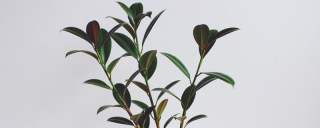
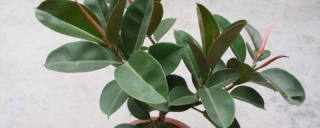
First, you must understand the signs I am showing you. My roots are drowning, unable to breathe in the saturated soil. This lack of oxygen is causing them to rot, which in turn means they cannot transport water and nutrients to my leaves. You will see this manifest as yellowing leaves, often starting at the lower, older ones. My leaves may become soft, mushy, and droopy, not firm and perky. In severe cases, the stems will feel soft, and the entire plant may wilt despite the wet soil. A foul smell from the soil is a critical sign of advanced root rot. These are my cries for help.
Your first action must be to stop any further watering. Do not give me more water; I am already drowning. Gently lift me out of my pot. This is not a gentle process for me, but it is necessary for my survival. Carefully examine my root ball. Healthy roots are firm and white or tan. Rotten roots will be dark brown or black, mushy, and will easily fall apart when touched. They may also have a unpleasant, decaying smell. The extent of the damage here will determine your next steps.
If you find rot, you must perform surgery. Using clean, sharp scissors or pruning shears, carefully cut away all the soft, rotten roots. Be ruthless but precise; any rot left behind will spread. Only healthy, firm roots should remain. This step is traumatic but vital. After pruning, you may choose to dip my remaining healthy roots in a fungicide solution or a hydrogen peroxide mix (1 part 3% peroxide to 3 parts water) to disinfect them and help prevent further fungal attack. This gives me a fighting chance.
Do not put me back into the old, soggy soil. It is compromised and likely compacted. I need a fresh, well-draining potting mix. A blend designed for succulents or cacti, or a standard potting mix amended with plenty of perlite, orchid bark, or coarse sand, is ideal. This new environment will allow for crucial oxygen flow to my roots and prevent water from pooling. Ensure the new pot has adequate drainage holes. If reusing the old pot, scrub it thoroughly with soap and water to remove any fungal pathogens.
After repotting, do not water me immediately. My roots are wounded and need a few days to callous over and begin to heal. Place me in a location with bright, indirect light. Avoid intense, direct sun as I am in a weakened state. Water me very sparingly for the next few weeks, only when the top few inches of soil are completely dry. My water needs are minimal until I can grow new, healthy roots to replace the ones you removed. Be patient; recovery is a slow process. You may see some leaf drop as I redirect my energy to root regrowth; this is normal.