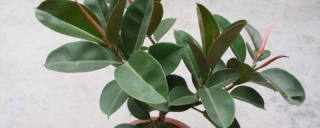
First, you must understand my origins. I, the Ficus elastica (Rubber Plant), hail from the warm, humid, and stable climates of Northeast India and Indonesia. My very DNA is coded for environments where frost is a myth and the sun is filtered through a high canopy. I am an understory tree at heart, thriving in bright but indirect light. This is my fundamental nature, and it dictates my capabilities and limitations when faced with the outdoors beyond my tropical home.
The single greatest factor determining my outdoor survival is temperature, specifically my absolute intolerance for cold. I am a tender perennial, meaning I possess zero cold hardiness. My cells are not equipped to handle freezing temperatures; ice crystals forming within my tissues would cause catastrophic damage, leading to blackened leaves, mushy stems, and ultimately, my demise. Therefore, the USDA Plant Hardiness Zone map is your most vital tool. I can only consider permanent outdoor living in the frost-free zones of 10 through 12. In these zones, winter lows rarely, if ever, dip below 30-35°F (-1 to 2°C). If you reside in zone 9 or below, my life outdoors would be tragically short, limited to the warm summer months only.
Even if you are in zone 10-12, simply placing me outside is not enough. Several other elements of your local environment must be considered. While I crave bright light, the intense, unfiltered afternoon sun of a southern exposure in Arizona or Texas is far too harsh for my leaves. It will scorch and bleach them, causing significant stress. I need a location with dappled sunlight or bright indirect light, much like I would receive in my native jungle canopy. Furthermore, I am sensitive to wind. Strong gusts can physically tear my large, broad leaves and cause excessive moisture loss from the foliage, dehydrating me.
For those of you in cooler zones (roughly 4-9), we can still enjoy the outdoors together on a seasonal basis. Once nighttime temperatures are consistently above 50°F (10°C) in the spring, you can acclimate me to a sheltered outdoor spot. This process must be gradual. Start by placing me in deep shade for a week, then slowly introduce me to a spot with mild morning sun. This patio life allows me to enjoy higher humidity and better air circulation, which I greatly appreciate. However, you must be vigilant and bring me back inside long before the first autumn frost threatens. This summer outing is a treat, not a permanent relocation.
If you are in an appropriate zone and wish to plant me in the ground, site selection is everything. Choose a location that is protected from the harsh afternoon sun and strong winds. The soil must be exceptionally well-draining; I despise having my roots sit in waterlogged soil, which will quickly lead to root rot. Amending the planting hole with plenty of organic matter and perlite or pumice is advisable. Even outdoors, you will need to monitor my moisture levels, watering deeply when the top few inches of soil are dry, and fertilize me during my active growing season to support my growth in this new, expansive environment.