As a plant, my relationship with light is fundamental; it is my primary source of sustenance. Through the process of photosynthesis, I convert light energy into the chemical energy I need to grow, produce my beautiful flowers, and remain healthy. When the light I receive is not within my ideal range, I must physically manifest signs of distress. I cannot move to a better spot, so I must communicate my discomfort through changes in my foliage, growth patterns, and overall vitality. Observing these signs is key to understanding my needs.
While I enjoy bright, indirect light, direct and intense sunlight, especially for prolonged periods, is overwhelming. It is akin to a constant, blistering sunburn. You will notice my plea for help through several clear signals. The most obvious sign is leaf scorch, where the edges or centers of my leaves develop brown, crispy patches that are dry to the touch. My rich green foliage may also begin to fade or take on a yellowish, bleached appearance, or even develop a reddish tinge—a sign of anthocyanin pigments acting as a protective "sunscreen." Furthermore, my leaves may curl inward or wilt dramatically during the hottest part of the day in a desperate attempt to reduce surface area and conserve water, even if my soil is adequately moist.
Conversely, living in deep shade is a slow and exhausting struggle for me. Without enough light, my photosynthetic factory operates at a minimal capacity, leaving me energy-starved. My most telling sign is etiolation—abnormally elongated, weak, and spindly growth as I desperately stretch my stems and leaves towards any available light source. The space between my leaves will become noticeably longer. You will also see that my new leaves are often much smaller than my older ones, and my characteristic green color will fade to a pale, yellowish-green (chlorosis) due to a lack of chlorophyll. Most disappointingly, I will be unable to produce flower buds. If I do not receive enough energy from light, I must dedicate all my resources to mere survival, abandoning any hope of blooming.
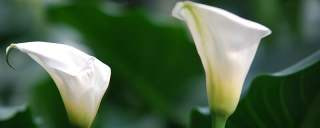
For me, a Peace Lily, the goal is bright, indirect light. This means a spot where I can bask in plentiful ambient light all day without being exposed to the harsh, direct rays of the sun. A north or east-facing window is often perfect. A south or west-facing window can work well if I am placed several feet back from the glass or shielded by a sheer curtain. When the light is just right, my growth will be strong and compact, with a steady production of deep green, healthy leaves. Most importantly, I will have the abundant energy required to send up my graceful white blooms, which is my ultimate sign of happiness and gratitude.