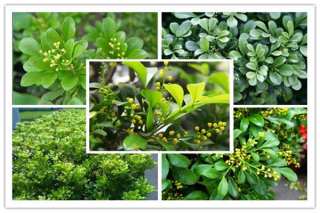
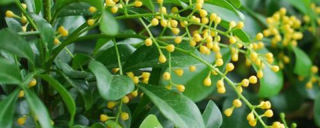
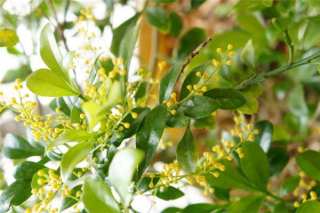
Coffee grounds are an organic material that can influence your Chinese Perfume Plant's (Aglaia odorata) soil environment. From a plant's perspective, they are not a direct source of food but a component that modifies the soil's physical and chemical properties. Fresh coffee grounds are acidic, which can be beneficial, but they also contain compounds like caffeine and tannins that may have allelopathic effects, potentially inhibiting the growth of some plants. However, after being brewed, most of the acidity and these compounds are significantly reduced, making used grounds much safer and more appropriate for garden use.
Your Chinese Perfume Plant thrives in slightly acidic to neutral soil (pH 6.0-7.0). Used coffee grounds have a nearly neutral pH, around 6.5-6.8, making them an excellent amendment to help maintain the preferred slightly acidic soil condition without drastically altering it. This stable pH is crucial for the plant's root system to effectively uptake essential nutrients like nitrogen, phosphorus, and iron. Furthermore, as coffee grounds decompose, they slowly release nitrogen, a key element for healthy foliage growth. This slow-release mechanism provides a gentle, sustained nutrient supply rather than a sudden shock that could harm the roots.
The physical texture of coffee grounds plays a significant role in the well-being of your plant's root zone. When incorporated sparingly into the top layer of soil or added to compost, coffee grounds improve soil structure. They help to create aggregates, which enhance soil porosity. This improved aeration is vital for root respiration and prevents the soil from becoming compacted and waterlogged. Additionally, the organic matter in the grounds acts like a tiny sponge, helping the soil retain consistent moisture between waterings. This is particularly beneficial for container-grown Chinese Perfume Plants, which can dry out quickly. However, a thick, wet layer of grounds can compact and create a barrier, so moderation is key.
For your Chinese Perfume Plant to truly benefit, the application method is critical. Never apply thick, clumpy layers of fresh, wet grounds directly to the soil surface, as this can create a water-resistant crust. Instead, always use cooled, used coffee grounds. The best practice is to mix a thin layer (a quarter-inch or less) into the top few inches of the potting soil. This allows for gradual integration and decomposition. Alternatively, you can add them to your compost bin where they will break down fully, creating a nutrient-rich, well-balanced compost that can be mixed into the soil later. This composted application is often the most effective and safest way to deliver the benefits without any risk of nitrogen tie-up or moisture barrier issues.