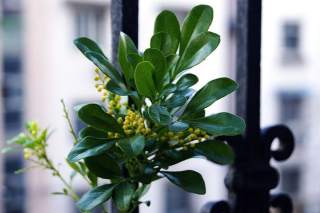
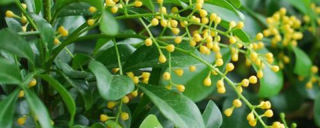
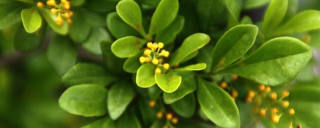
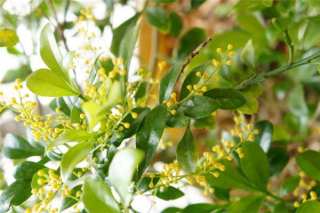
From my perspective as a plant, light is my primary source of energy and the most crucial signal for flowering. I am a woody shrub that thrives in bright, indirect light. To encourage my prolific blooming, I require several hours of this gentle, filtered sunlight daily. When placed in deep shade, my photosynthetic processes slow down. I must then dedicate all my energy to simply surviving and producing foliage, with no surplus resources left to initiate the energetically expensive process of flower bud formation. Conversely, harsh, direct afternoon sun can scorch my leaves, causing stress and damage that also inhibits flowering. Positioning me where I can receive ample morning sun or dappled light throughout the day is the most effective way to tell my internal systems that conditions are perfect for reproduction.
Water management is a delicate dance for my flowering potential. While I require consistent moisture to remain healthy, a period of slight dryness at the right time can trigger my survival instinct to reproduce. After a period of adequate watering, allowing the top inch or two of my soil to dry out before providing a thorough watering can simulate a natural, mild dry season. This subtle stress signals to me that ideal conditions may not last forever, prompting me to produce flowers to ensure the continuation of my lineage. However, this must be done with care. Chronic overwatering, which leads to waterlogged roots and oxygen deprivation, is extremely detrimental. It causes severe stress that forces me into survival mode, dropping buds and halting flower production entirely. Consistent underwatering will also cause me to abort flower buds to conserve moisture.
The type of food you provide me directly influences my growth priorities. I require nutrients, but the balance is key. A fertilizer high in nitrogen (the first number on the package) will encourage me to channel all my energy into producing vigorous, green vegetative growth—stems and leaves—at the expense of flowers. To promote blooming, I need a fertilizer that is higher in phosphorus (the middle number), which directly supports the development of roots, flowers, and fruits. A formulation labeled as "bloom booster" or with a ratio like 2-3-1 is ideal. This specific nutritional cue tells my cellular pathways to redirect resources from leaf production to the creation of flower buds, aligning my growth with your desire for more blooms.
Please be very mindful of when and how you prune me. My flower buds form on new growth that emerges after a period of maturation. If you prune me heavily, especially late in the season, you are likely cutting off the very stems that were preparing to bear flowers. You are essentially removing my potential bloom sites and forcing me to use my stored energy to regenerate lost branches instead of developing flowers. If shaping is necessary, the best time to do it is immediately after a flush of flowers has faded. This gives me ample time to produce new growth that will harden off and develop flower buds for the next blooming cycle. Light tip-pruning is preferable to severe cutting back.