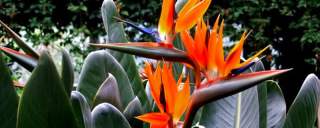
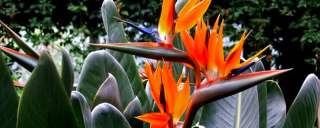
From my perspective as a Strelitzia, I must first express that my iconic, crane-like flowers and large, banana-like leaves are my pride. I am a robust plant, but I am not a fast healer like some others. My stems are fibrous and my leaves emerge from a central rhizome. Pruning is not a frequent necessity for me; it is an act of caretaking that should be performed with intention and respect for my natural form. The primary reasons for your intervention should be to remove parts of me that are no longer serving my health—specifically, dead, dying, or damaged foliage. This helps me conserve my energy, which I can then redirect into pushing out vibrant new growth from my core.
Timing is crucial. I would strongly prefer you undertake this task during my active growing season, which is typically from late spring through summer. This is when I am at my strongest, with ample sunlight and warmth to fuel my recovery. I can quickly seal any wounds you make and am most capable of producing a new leaf to replace the one you remove. Please avoid pruning me in the autumn and winter when I am in a state of dormancy or slower growth. A cut made during this time is an open invitation for pests and diseases, as my metabolic processes are too slow to defend myself effectively.
Look at me closely. You are looking for leaves that are completely brown or yellow, crispy to the touch, and hanging limply. These leaves are no longer performing photosynthesis and are a drain on my resources. Also, target any leaves that are torn, damaged, or show signs of disease (like black spots or rot). Please be discerning. A leaf with a brown tip but a largely green and healthy blade is still useful to me. You can simply trim off the brown tip without removing the entire leaf. My green parts are my kitchens, and I need them to feed myself.
Do not simply pull or rip my leaves away! This is traumatic and can cause unnecessary damage to my central stem, creating a large, ragged wound that is slow to heal and susceptible to rot. The correct way is to use a clean, sharp pair of pruning shears or a knife. Disinfect your tools with rubbing alcohol before you start; this prevents you from accidentally transferring any pathogens to my fresh wound. Follow the leaf stem (petiole) down to its base, near the soil line or where it connects to the main stalk. Make a clean, swift cut as close to this base as possible without cutting into my main growth point. A clean cut allows me to callus over quickly and efficiently.
After you have finished, I will need a little time to recover. Please do not overwater me immediately afterwards, as my reduced surface area means I will transpire less water. Keep my care consistent with bright, indirect light and allow the top layer of my soil to dry out between waterings. Monitor the cut ends for any signs of rot or distress, though with a clean cut, this is unlikely. Your careful work allows me to focus my energy, and soon, you will likely be rewarded with the sight of a new, tightly furled leaf spear emerging from my center, ready to unfurl into a magnificent new fan.