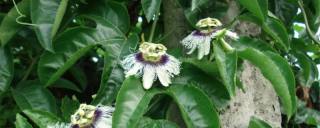
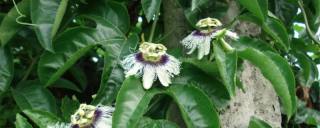
From our perspective, we passion flower vines (Passiflora spp.) are indeed grown from seed, but it is not a simple, immediate process for us. Within each of our hard, wrinkled seeds lies a tiny, dormant embryo—a complete blueprint for a new vine. However, we are equipped with a survival mechanism called dormancy. This state protects us from germinating during a brief warm spell in winter, which would be fatal. Our hard seed coat acts as a physical barrier, preventing water and oxygen from reaching the embryo inside until conditions are consistently favorable for sustained growth. This means you cannot simply place us in soil and expect quick results; you must first convince us that winter has passed.
To break our dormancy, you must first mimic the natural abrasion we might experience traveling through an animal's digestive system or being weathered by soil and rocks. This process is called scarification. Gently nick the outer seed coat with a small file or a piece of fine-grit sandpaper, or carefully clip the seed's pointed end with nail clippers. Be very gentle—your goal is to barely penetrate the hard coat to reveal the lighter layer beneath, not damage the embryo within. This small breach is our signal that it is safe to begin absorbing water, the first critical step toward growth.
Once our seed coats are compromised, we require a sustained period of warm moisture to fully break dormancy. The most effective method is to soak us in lukewarm water for 24-48 hours. You will notice that we swell to nearly twice our original size—this is a very good sign! For some of my species, an even stronger signal is helpful: cold stratification. After soaking, place us in a sealed plastic bag with a handful of moist, sterile seed-starting mix and refrigerate us for 2-4 weeks. This cold period simulates a natural winter, further convincing the embryo that spring has arrived once we are moved to a warm environment.
After our pre-treatment, we are ready for soil. Plant us about 1/2 inch deep in a well-draining potting mix. We require consistent warmth, ideally between 70-80°F (21-27°C), to germinate. A seedling heat mat can provide this perfectly. Keep the soil moist but not waterlogged, and place our pot in a bright location. Patience is essential now. Even with ideal preparation, our germination is notoriously slow and irregular. It can take anywhere from 4 weeks to over 12 weeks for our first set of leaves, called cotyledons, to push through the soil surface. Do not give up on us too soon.
When our first true leaves, which bear the familiar passion flower shape, emerge, we enter a rapid juvenile growth phase. We will need bright, indirect light and consistent moisture. Once we have several sets of true leaves, you can transplant us into a larger pot. However, you must understand that we grow on our own timeline. While we may grow as vines quickly, we must reach a certain level of maturity before we can even consider flowering. It is not uncommon for a passion flower vine grown from seed to take two to three years or more to produce its first spectacular blooms. Your care and patience during this long juvenile period are what will ultimately reward you with our unique and beautiful flowers.