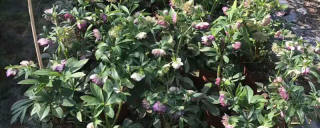
Helleborus orientalis, commonly known as the Lenten Rose, is a herbaceous perennial belonging to the Ranunculaceae family. Native to regions of Turkey and the Caucasus, it is exceptionally well-adapted to the climate of many American landscapes, particularly within USDA Hardiness Zones 4 through 9. Its common name derives from its bloom time, which often coincides with the Christian season of Lent, providing a vital early-season nectar source for emerging pollinators when few other plants are in flower. The plant forms a low-growing clump of leathery, evergreen to semi-evergreen foliage that provides winter interest in milder zones.
From the plant's perspective, success hinges on replicating its native woodland habitat. Lenten Roses perform best in partial to full shade, thriving under the canopy of deciduous trees where they are protected from the intense afternoon sun of the American summer. The ideal soil is deeply prepared, humus-rich, moist, and exceptionally well-draining with a neutral to slightly alkaline pH. While they are notably drought-tolerant once established, consistent moisture during their active growth periods in spring and fall is crucial for robust development and flowering. Good drainage is non-negotiable, as sitting in waterlogged soil will lead to fatal root rot.
The plant's life cycle is a key to its landscape value. New flower stalks emerge in late winter, often pushing through snow, followed closely by a new flush of foliage. The large, bowl-shaped "flowers" are actually sepals that remain on the plant for many weeks, sometimes months, providing long-lasting color. After pollination, the seed pods develop and eventually burst, often leading to prolific self-seeding. The new seedlings, however, may not come true to the parent plant's flower color due to cross-pollination. The tough, leathery leaves are designed to withstand late frosts and cold snaps, a trait that makes them invaluable in unpredictable American springs.
When introducing Helleborus orientalis to the landscape, careful planting ensures establishment. The crown of the plant must be set at the correct depth; planting too deeply can suppress flowering and encourage rot. A top-dressing of compost annually in the fall provides necessary nutrients and mimics the natural leaf litter of its forest floor environment. Mature plants develop deep root systems and resent being disturbed, so it is essential to choose a permanent location. The previous year's foliage can be trimmed back in late winter just before new growth emerges to showcase the flowers and prevent potential foliar diseases like leaf spot.
In the American garden, the Lenten Rose serves as an essential structural and textural plant for shade. Its coarse, dark green foliage provides an excellent contrast for the fine textures of ferns like Dryopteris and the bold leaves of Hosta. It combines beautifully with other early-spring bloomers such as Galanthus (Snowdrops), Crocus, and early Narcissus, creating layered interest in the barren spring garden. Its tolerance for dry shade also makes it a premier choice for planting under large trees where turf grass struggles, forming a durable and attractive ground cover over time.