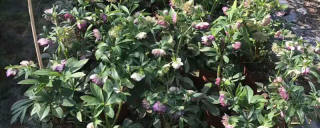
Hellebores, belonging to the genus *Helleborus* within the Ranunculaceae family, are herbaceous perennials prized by American gardeners primarily for their unparalleled winter-to-spring bloom time. Unlike most plants that remain dormant, many hellebore species, such as the popular Lenten Rose (*Helleborus orientalis*), initiate flowering as early as late winter. Their botanical structure is unique; what appear to be petals are actually highly durable and long-lasting sepals. The true petals have evolved into small, tubular nectaries. This adaptation allows the flowers to withstand frost, snow, and freezing temperatures, providing a vital nectar source for early-emerging pollinators when little else is available. Their evergreen, palmate foliage adds textural interest to the shade garden throughout the year, making them a plant of immense four-season value.
The most profound symbolism of hellebores in American gardens stems directly from their phenology—their timing. Blooming during the Lenten period or even earlier, they become a living metaphor for hope, resilience, and the promise of renewal. In the quiet, often barren landscape of late winter, the sudden appearance of their nodding blooms—in shades of white, pink, plum, green, and near-black—signals the imminent end of cold days and the approach of spring. This act of blooming against adversity makes them a powerful symbol of overcoming challenges and finding beauty in hardship. For many gardeners, they represent a beacon of optimism, a sure sign that the cycle of growth is beginning anew, making them a cherished addition to gardens meant for reflection and solace.
From a horticultural perspective, hellebores are quintessential shade plants, thriving in the dappled light under deciduous trees where many other flowering perennials struggle. This preference has cemented their role as symbols of tranquility, calm, and peaceful retreat within the garden. They are foundational plants in creating serene, woodland-inspired landscapes, a gardening style that has gained significant popularity across the United States. Their subtle, often downward-facing flowers encourage quiet contemplation, inviting one to gently lift a bloom to admire its intricate beauty. This creates an intimate and personal gardening experience, fostering a sense of quiet joy and peaceful connection to the natural world, far from the bright, bold displays of full-sun borders.
Another layer of meaning is found in the plant's ability to adapt and naturalize. Once established, hellebore clumps are long-lived and drought-tolerant, requiring minimal maintenance. Furthermore, through self-seeding, they slowly spread to form generous drifts, with seedlings often displaying new and unexpected color variations. This characteristic symbolizes natural abundance, effortless beauty, and the graceful passage of time. They represent a garden that is alive and evolving, a partnership between the gardener and nature itself. This has made them a favorite in cottage gardens and naturalized plantings, where they symbolize a harmonious and sustainable approach to gardening that values ecological balance and timeless charm over high-input maintenance.