From my perspective as a Columbine plant (Aquilegia spp.), my immediate need for space is dictated by my root system and foliage clump. I am not an invasive, running plant; I grow from a central taproot that delves moderately into the soil. This taproot, along with a network of finer roots, requires adequate room to access water and nutrients without intense competition. My mature foliage forms a low, mounded clump of lobed leaves. To thrive without being cramped by neighbors, I appreciate a personal space of approximately 12 to 18 inches (30 to 45 cm) in diameter. This allows my leaves to spread out and efficiently capture sunlight for photosynthesis without being overshadowed too quickly by larger perennials.
While an individual plant needs a specific footprint, our method of spreading is primarily through seed. After flowering, I produce numerous small, black seeds in pod-like follicles. When these pods dry and split open, the seeds are shaken loose and scattered around the parent plant, typically landing within a radius of a few feet. This is how we gradually form charming, spontaneous colonies. For this naturalization process to occur successfully, we need open soil or lightly mulched areas where our seeds can make contact with the earth and germinate. Densely planted gardens with thick ground cover or heavy mulch will inhibit our ability to spread freely.
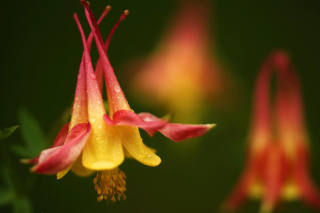
When a gardener introduces us to a new bed, they should consider both our physiological needs and their visual goals. Planting individual Columbines 12 to 18 inches apart provides the ideal compromise. This spacing gives each plant's root system the territory it needs, reduces competition for water, and improves air circulation around the foliage, which is crucial for preventing powdery mildew. From an aesthetic viewpoint, this distance allows our uniquely shaped flowers with their distinctive spurs to be appreciated individually while still creating a soft, intermingling drift of color and texture as we mature and gently self-sow into the gaps.
Our rate of spread is not constant; it is heavily influenced by our growing conditions. In a location that mimics our native woodland edge habitat—with moist, well-drained soil, dappled sunlight, and cool temperatures—we are most vigorous and prolific in our self-seeding. In less ideal conditions, such as full hot sun with dry, poor soil, we will struggle. Our energy will be directed merely at survival rather than prolific flowering and seed production, significantly limiting our ability to spread. Furthermore, we are short-lived perennials. An individual plant may only live for 3-4 years, making our successful seeding crucial for the continued presence of our kind in the garden.