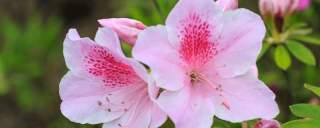
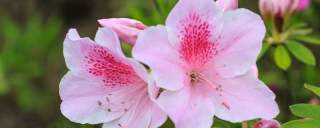
From my perspective, the vibrant life you see is a direct reflection of the world beneath your feet. If I am dying, the crisis likely began with my roots. They are my entire existence—my mouth, my anchor, my life. Perhaps I am drowning, suffocating in heavy, waterlogged soil that has stolen all the air from around my roots, causing them to rot and turn to mush. Conversely, I might be desperately thirsty, my root ball shriveled and hard as a rock, completely repelling water and leaving me in a state of drought. The pot I am in could also be my prison; if my roots are circling tightly around themselves, I am severely root-bound and cannot take up the nutrients or water I need to survive.
Water is my lifeblood, but it must be given with care. My fine, hairlike roots are incredibly sensitive to chemicals often found in tap water, such as chlorine and fluoride. These elements can burn my tips, making it impossible to drink effectively. I crave rainwater or distilled water that is gentle on my system. The method of watering is also critical. A quick sprinkle on the surface does me no good. I need a deep, thorough drink that reaches my entire root ball. If I am parched and my soil has pulled away from the pot, I need to be slowly soaked in a basin of water for up to an hour until I am fully rehydrated and my soil is moist throughout.
I am an acid-loving plant, which means I require specific soil conditions to access nutrients. If I am planted in alkaline soil, I am effectively starving. Key minerals like iron are locked away, unavailable to me, which is why my leaves might turn yellow with green veins (chlorosis). I need to be fed with a fertilizer formulated for acid-loving plants, but please, do not overdo it. Chemical burns from excessive fertilizer can finish me off if my roots are already compromised. Furthermore, I dislike extreme temperatures. A sudden blast of heat from a vent or the chill from a drafty window shocks my system, causing my leaves to wilt and drop as I go into survival mode.
To give me a true chance at revival, you must address my root cause. Gently remove me from my pot and examine my roots. If they are brown, slimy, and smell foul, carefully trim the rotten parts away with sterile tools. If they are a tight, tangled mass, score the sides of the root ball and gently tease them apart to encourage them to grow outward into new soil. Repot me in a container with excellent drainage, using a fresh, well-aerated potting mix designed for azaleas or rhododendrons. This new medium will be acidic and porous, giving my damaged roots the perfect environment to heal and regrow. Place me in a location with bright, indirect light where I can recover without stress.