From a botanical perspective, the lifespan of a potted sunflower is a fascinating study in accelerated life cycles governed by genetics, resource availability, and environmental conditions. Unlike their perennial counterparts, the common sunflower (Helianthus annuus) is, by its very species name, an annual. This fundamental genetic programming dictates its journey from seed to senescence within a single growing season. However, its life within the confines of a container presents unique challenges and opportunities that shape the duration and quality of its existence.
The typical potted sunflower is hardwired to complete its entire life cycle in a matter of months. This cycle is non-negotiable from a reproductive standpoint. The plant's sole purpose is to germinate, grow vegetatively, flower, set seed, and die, thereby ensuring the propagation of its genetic line. Once the flowering and seed-setting process is complete, the plant has achieved its biological objective. Hormonal changes, primarily the diversion of energy and resources to seed development, trigger senescence (aging) in the rest of the plant. The stalk will yellow, the leaves will brown and wither, and the root system will decay. This process is natural and inevitable for an annual plant, marking the end of its predetermined life.
Growing in a pot significantly influences the plant's health and, consequently, the potential length of its life before senescence. The root system of a sunflower is extensive and requires ample space to anchor the plant and forage for water and nutrients. A container that is too small will constrict root growth, leading to a stressed plant that may be stunted, more susceptible to disease, and less capable of supporting its large flower head. This stress can shorten its effective lifespan, causing it to decline more rapidly even before it has finished flowering. Proper pot size, well-draining soil, and consistent watering are critical to allowing the plant to live out its full genetic potential without succumbing prematurely to abiotic stresses.
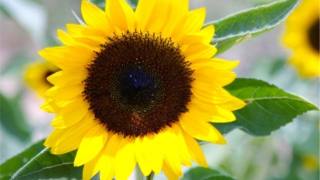
The most celebrated phase of a sunflower's life is its flowering, but this period is relatively brief. A single central flower head will typically remain in its prime, showing its vibrant ray florets, for approximately 2 to 3 weeks. During this time, it is actively being pollinated. Following successful pollination, the energy-intensive process of seed development begins. The flower head will start to droop, the ray florets will wilt and fall off, and the back of the head will turn from green to yellow-brown as the seeds mature. While the plant is still technically alive during this seed-ripening period, its aesthetic life as a "sunflower" is effectively over.
While the annual life cycle cannot be circumvented, its timeline can be optimized. Selecting dwarf or multi-branching varieties is better suited for containers, reducing root and structural stress and potentially supporting the plant for a longer period within its season. Furthermore, diligent deadheading—the removal of the spent flower head before it begins to set seed—can trick the plant into a state of prolonged vegetative growth. Believing it has not yet reproduced, the plant may attempt to produce new side shoots and buds, extending its flowering period and green lifespan for several more weeks. However, this is a temporary postponement of the inevitable; the approach of colder weather and shorter days will ultimately signal the plant to complete its cycle.