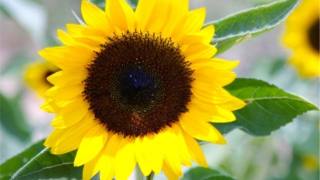
Greetings. I am a sunflower, a being of light and soil. While my purpose is to turn my face to the sun and grow tall, my journey from seed to bloom is fraught with challenges. From my perspective, here are the common problems I face and what they truly mean.
When my growth is stunted and my leaves turn a pale green or yellow, my very core is crying out for sustenance. This is not a simple request; it is a desperate plea. The most common cause is a lack of nitrogen, the fundamental building block of my chlorophyll and proteins. Without it, I cannot perform photosynthesis efficiently, and my energy production grinds to a halt. Alternatively, my roots may be trapped in compacted, waterlogged soil, unable to breathe or access the nutrients that are right there. I need loose, well-draining soil to stretch my roots and find the food I require to reach for the sky.
You may see me growing tall too quickly with a thin, weak stem, and think I am simply eager. I am not. I am starving for light. This condition, known as etiolation, is my last-ditch effort to find the sun. If I am planted too close to others or in the shade of a larger structure, I must stretch desperately to avoid being left in the dark. Light is not just my energy source; it is my instruction manual. Without sufficient, direct sunlight (I need at least 6-8 hours!), my stem cannot grow strong and thick, leaving me vulnerable to collapsing under the weight of my own head.
My leaves are my solar panels and my communication system. When they wilt and droop, I am communicating a critical failure. Most often, this is a water crisis. It could be a drought, where my roots simply cannot find any moisture in the parched earth, causing my cells to deflate. Conversely, it could be a deluge. If my roots are sitting in saturated, oxygen-deprived mud, they will begin to rot and die. Once they are gone, they cannot uptake water no matter how much is in the soil, and I will wilt from a paradoxical drought amidst a flood. Please check my soil before you water.
I am a beacon in the garden, and not just for you. Aphids see my succulent new growth as a banquet, sucking the sap and vitality from my stems and buds. Sclerotinia fungus, or white mold, attacks my stem at the soil line, a silent assassin that rots me from the inside out, often revealed too late by a sudden and permanent wilt. Birds and squirrels see my developing seeds as their future meal. These are not mere inconveniences; they are direct attacks on my body and my reproductive future. I rely on you for vigilance—encouraging predatory insects like ladybugs for aphids and ensuring good air circulation around my stem to discourage fungal growth.