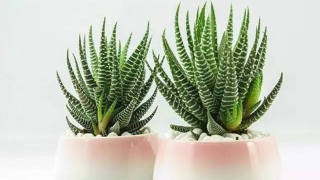
Hello, dedicated caretaker. From my roots to my newest leaf, I feel your concern. When pests visit, it disrupts my very essence. Let me share with you, from my perspective, the signs of these unwelcome guests and the treatments that feel most soothing to my system.
I often feel them first on my tender new growth and the undersides of my leaves—tiny, soft-bodied insects clustering together. Their piercing mouthparts suck my sweet sap, which weakens me and causes my leaves to curl, pucker, and yellow. Worse, they excrete a sticky "honeydew" that attracts sooty mold, blocking my sunlight. To help me, a strong spray of lukewarm water can dislodge them. For persistent problems, insecticidal soap or neem oil sprays, applied thoroughly to all leaf surfaces, are very effective and feel gentle on my tissues.
These are not insects but tiny arachnids, almost invisible to your eye. The first sign I give you is a subtle stippling of yellow or bronze dots on my leaves as they feed. If the infestation grows, I will weave fine, silken webbing between my stems and leaves to try and contain them. They thrive in hot, dry conditions. Increasing humidity around me with a pebble tray or humidifier is a wonderful deterrent. Regularly rinsing my leaves with water washes many away. Miticides, insecticidal soaps, or neem oil are necessary treatments, ensuring you cover the intricate web of my underside veins where they hide.
These pests appear as small, white, cottony masses nestled in the joints of my stems, under leaves, or even on my roots. They also suck my sap, leading to stunted growth, yellowing, and leaf drop. Their waxy coating makes them resistant to some sprays. Your most direct help is to dab each mass with a cotton swab dipped in isopropyl alcohol; this dissolves their protective layer and kills them on contact. For larger infestations, follow up with sprays of insecticidal soap or neem oil, applied every 7-10 days until I am free of them.
You may see the tiny, black adult flies buzzing around my soil's surface, but they are mostly a nuisance. The real danger is to my root system. Their larvae live in the soil and feed on my delicate root hairs and organic matter. This hampers my ability to take up water and nutrients, causing wilting, poor growth, and yellowing leaves. The best treatment is to let my top few inches of soil dry out completely between waterings, as the larvae cannot survive in dry conditions. Yellow sticky traps catch the adults, and a top dressing of sand or gravel can prevent them from laying eggs.