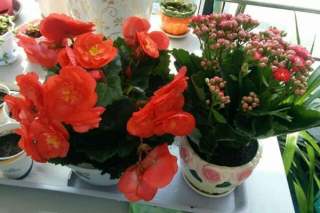
From the perspective of the Begonia plant itself, the ideal soil is not merely dirt but a complex ecosystem that must cater to its specific physiological needs. As plants that often grow as epiphytes or in rich, well-decayed forest litter in their native habitats, potted Begonias require a growing medium that provides physical support, moisture, oxygen, and nutrients in a very specific balance. The wrong soil can lead to suffocated roots, drought stress, or fatal rot. The best soil mimics the structure and function of their natural environment.
The single most important factor for a Begonia's root health is oxygen. Their fine, often delicate root systems are highly susceptible to rot if left in saturated, anaerobic conditions. Therefore, the soil must be extremely well-draining. This is achieved not by large drainage holes alone but by the physical composition of the soil mix itself. A dense, water-retentive soil, like heavy garden clay or a cheap, fine-particle potting mix, will compact around the roots, creating a soggy environment where harmful fungi thrive and roots cannot breathe. The plant's health will rapidly decline as the roots die back, unable to uptake water or nutrients, leading to yellowing leaves, wilting, and collapse.
While drainage is paramount, the soil must also possess the ability to retain consistent, slight moisture. Begonias are not true succulents and cannot tolerate complete drought for extended periods. Their root hairs require a film of water to absorb dissolved nutrients. The goal is a mix that holds moisture like a sponge but never becomes waterlogged. This is accomplished by incorporating materials that hold water within their structure while maintaining air pockets between particles. Ingredients such as coco coir, peat moss, or well-rotted leaf mold are excellent for this, as they absorb many times their weight in water yet help prevent the overall mix from becoming dense and compacted.
A perfect Begonia soil is a custom blend. A standard, high-quality potting soil should serve only as a base, making up roughly 50-60% of the final mix. To this, several amendments must be added to create the ideal structure. Perlite is non-negotiable; its porous, white particles create essential air pockets, drastically improving drainage and aeration. Horticultural orchid bark chips provide chunkiness, further preventing compaction and mimicking the coarse litter of a forest floor. A smaller amount of horticultural charcoal can be beneficial to keep the soil "sweet" by absorbing impurities and toxins. Finally, a handful of worm castings provides a gentle, organic source of nutrients that is readily available to the plant without the risk of burning delicate roots.
Begonias prefer a slightly acidic to neutral soil pH, generally between 5.5 and 6.5. This pH range is crucial because it makes essential macro and micronutrients, particularly iron, manganese, and phosphorus, more soluble and available for uptake by the roots. Most peat-based and coco coir-based potting mixes naturally fall within this range. The organic components like worm castings and leaf mold also contribute to a healthy, slightly acidic environment while providing a slow-release nutrient base. This foundation supports steady growth between regular, diluted feedings with a balanced fertilizer.