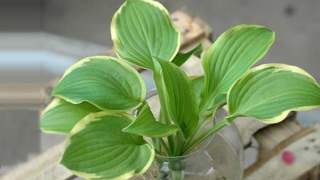
Before you even think about sprays or potions, you must help me help myself. My best defense against pests like aphids, slugs, and beetles is my own vitality. Plant me in the right conditions; I prefer well-draining soil rich in organic matter and dappled to deep shade, depending on my cultivar. When you provide consistent moisture, especially during dry spells, you ensure my leaves stay robust and less appealing to sucking insects. Avoid over-fertilizing me, particularly with high-nitrogen fertilizers, as the resulting tender, succulent new growth is an irresistible feast for aphids. A strong, well-cared-for hosta is far less likely to suffer catastrophic damage.
Aphids are tiny, soft-bodied insects that cluster on my tender new shoots and the undersides of my leaves. They pierce my tissues with their needle-like mouthparts and suck out my vital sap, which weakens me and causes my beautiful foliage to curl, pucker, and yellow. As they feed, they excrete a sticky substance called honeydew, which attracts ants and can lead to the growth of sooty mold, further inhibiting my photosynthesis. To control them, you can start by spraying a strong jet of water from your hose to dislodge them. For more persistent infestations, insecticidal soaps or horticultural oils are very effective, as they smother the pests without leaving harmful residues. Please ensure you coat the undersides of my leaves where they love to hide.
My broad, tender leaves are a prime target for chewing pests. Slugs and snails are the most notorious, leaving behind irregular holes and silvery slime trails, especially after rainy periods. You can protect me by creating barriers of diatomaceous earth or crushed eggshells around my base. Beer traps are also highly effective at luring and drowning these pests. The black vine weevil and its larvae are another grave threat; the adults notch my leaf edges, while the grubs below ground devour my roots and crown. Beneficial nematodes applied to the soil can target these destructive larvae. For Japanese beetles, hand-picking them off my leaves early in the morning when they are sluggish is a very direct and safe control method.
You do not have to fight this battle alone. I thrive in a biodiverse garden that welcomes my natural allies. Encourage beneficial insects like ladybugs and lacewings, whose larvae are voracious predators of aphids. Provide habitats for birds, as they consume a tremendous number of insects, slugs, and beetles. A toad house or a small rock pile can invite toads and ground beetles, which are excellent nocturnal hunters of slugs. By fostering this ecosystem, you create a natural balance where pest populations are kept in check without your constant intervention, allowing me to grow in a healthier, more sustainable environment.