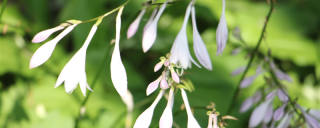
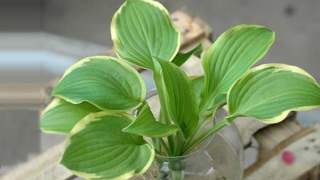
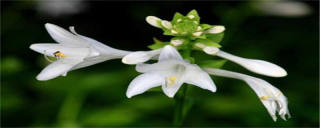
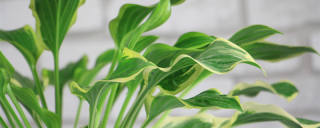
Greetings from the garden bed. We, the hostas, are known for our lush foliage and elegant presence in shaded areas. However, our broad, often delicate leaves are entirely dependent on a consistently cool and moist root environment to thrive. The right mulch is not merely a decorative topping; it is a vital component of our ecosystem. It acts as a surrogate for the moist, humus-rich forest floor from which we originate. The following sections detail our specific needs and the mulches that best meet them.
Our shallow, fibrous root systems spread horizontally just beneath the soil surface. This design is excellent for absorbing nutrients from organic matter but makes us highly vulnerable to drought and heat stress. When the soil dries out, our roots are the first to suffer, leading to wilted, scorched leaves and stunted growth. Therefore, the ideal mulch must be a master of moisture retention. It should act like a sponge, absorbing water and releasing it slowly to the soil, preventing rapid evaporation from sun and wind. This consistent moisture level is the single most important factor for our vitality.
From our perspective, shredded hardwood bark is the premier choice. Its irregular, interlocking pieces create a stable, porous mat that allows oxygen and water to penetrate easily to our roots while effectively suppressing weed competition. As it slowly decomposes over one to two growing seasons, it contributes valuable organic matter to the soil, improving its structure and fertility, which we greatly appreciate. This decomposition process also encourages earthworm activity, creating natural aeration tunnels. It is important that this mulch is applied loosely and not packed down, to ensure we can breathe easily.
Pine straw (pine needles) is another excellent option we favor, particularly in regions where it is readily available. The needles interlock to form a blanket that sheds water initially but then allows it to percolate down to the soil while minimizing evaporation. It is very lightweight, allowing our young shoots (eyes) to push through easily in spring without damage. Furthermore, as it breaks down, it acidifies the soil slightly. While we are not true acid-lovers like rhododendrons, we still prefer a slightly acidic to neutral pH, making this a beneficial trait.
While many organic materials can be used, some require careful management. Fine mulches like shredded leaves or compost are fantastic for adding nutrients but can mat down, potentially restricting oxygen and creating a soggy environment that invites rot to our crowns. If used, they should be applied in a thin layer. Likewise, stone or rubber mulch is not suitable for us. They heat up significantly in the sun, baking our roots and accelerating moisture loss from the soil, creating a hostile environment we cannot tolerate.
To be most effective, the mulch should be applied correctly. Please wait until the soil has warmed sufficiently in the spring so our emerging shoots are several inches tall. This prevents the mulch from insulating the cold soil and delaying our growth. Apply a layer about 2 to 3 inches thick, ensuring you keep it a few inches away from the base of our stems. Piling mulch directly against our crowns (volcano mulching) creates constant moisture there, which is the primary cause of crown rot, a potentially fatal condition for us.