From our perspective, the primary threat of frost and freeze is not the ice you see, but the ice that forms inside us. When temperatures plummet, the water within our cells can freeze. This formation of ice crystals is a catastrophic event; they are sharp and puncture the delicate cell membranes that are vital for our survival. Once these membranes are ruptured, the cell's contents leak out, and the cell dies. This damage appears to you as blackened, mushy leaves and stems—a sign of irreversible injury. A light frost might only affect the most exposed outer cells, but a hard freeze penetrates deeper, causing widespread cellular collapse and often death for plants not equipped for such conditions.
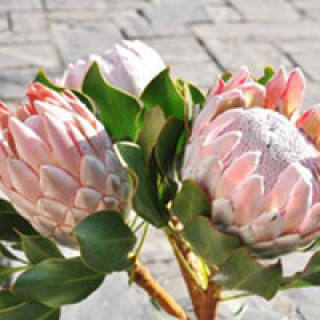
As Proteas, we hail from regions with specific climatic conditions, typically Mediterranean-type ecosystems with well-draining soils and mild winters. We are not genetically programmed to endure prolonged sub-freezing temperatures. Our vascular systems are designed to function within a certain thermal range. When the mercury drops too far, the process of moving water and nutrients (our sap) slows dramatically or stops altogether, leading to systemic failure. Furthermore, our roots, particularly when confined to a pot, are exceptionally vulnerable. In the ground, the earth provides insulating warmth. In a container, our roots are exposed on all sides to the biting cold, which can freeze the root ball solid, an almost always fatal occurrence.
Our main natural defense is to enter a state of dormancy or reduced growth as daylight shortens and temperatures cool. This process, known as hardening off, involves moving resources and increasing sugar concentration in our cells, which acts like a natural antifreeze. You can aid this process immensely. First, cease fertilizing in late summer. Fertilizer encourages tender new growth that is highly susceptible to cold damage. Second, gradually reduce watering as temperatures fall, but never allow our roots to become completely desiccated. A plant entering winter properly hardened off has a significantly better chance of survival, as its cells are more resilient and its metabolic demands are lower.
Your intervention is our lifeline. Physical barriers are paramount. Moving our pots to a sheltered location, such as against a south-facing wall or under an eave, utilizes radiant heat and protects us from wind chill. Wrapping the pot in hessian, bubble wrap, or burying it in mulch provides crucial insulation for our vulnerable root zone. For the foliage, covering us with a frost cloth or blanket on cold nights is essential. It traps the geothermal heat rising from the ground, creating a microclimate that can be several degrees warmer. Crucially, this covering must be removed during the day to allow for light absorption and to prevent overheating. For a severe freeze, a temporary supplemental heat source, like a string of old-fashioned non-LED Christmas lights placed under the cover, can provide just enough warmth to keep our cells from freezing.