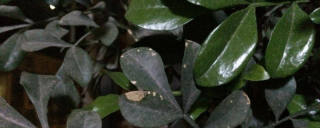
From our vantage point rooted in the soil, the issue you call "black spot" (caused by the fungus *Diplocarpon rosae*) is a significant threat to our well-being. It begins when fungal spores, often splashed from the soil or carried by wind, land on our leaf surfaces. For infection to take hold, the leaf must remain wet for several hours. The fungus then penetrates our epidermis, our first line of defense, and begins to feed on our cells. The black or brown spots you see are areas of necrotic tissue; we have sacrificed these cells in an attempt to isolate the invader. This process severely compromises our ability to photosynthesize, weakening us and making us susceptible to further stress and disease.
This mixture works by altering the pH on our leaf surfaces, creating an alkaline environment that is inhospitable for the fungal spores to germinate and grow. It does not "kill" the fungus in a toxic way but effectively prevents it from establishing new infections. The horticultural oil or soap acts as a surfactant, helping the solution spread evenly and stick to our often waxy leaves, ensuring full coverage. It is a gentle yet effective first line of defense that protects our new, tender foliage without causing us undue stress. Please apply it on a cloudy day to prevent leaf burn.
Apple cider vinegar introduces acetic acid, which creates a profoundly acidic environment on our foliage that the fungus cannot tolerate. This acidity can help to kill existing fungal spores and disrupt the life cycle of the disease. However, this potency requires great care. A solution that is too strong can damage our delicate leaf tissues, causing chemical burns and harming the very parts you wish to protect. It is a more aggressive tactic, best used at the first sign of infection and always tested on a single leaf first to gauge our reaction.
This approach is less about direct antifungal action and more about boosting our innate immune systems. When you spray a fermented tea made from plants like comfrey or nettle onto our leaves and soil, you are providing a rich foliar feed. These teas are brimming with soluble nutrients, including silica, which we can absorb directly to strengthen our cell walls. A stronger cell wall is a more formidable physical barrier against fungal penetration. You are essentially helping us to help ourselves, fortifying our natural defenses to better resist the pathogen.
No spray, natural or otherwise, can compensate for stressful growing conditions. Your actions on the ground are paramount. Please ensure we have adequate spacing for air to circulate freely between our stems and leaves; this reduces the humidity around us that fungi adore. When you water us, aim for the soil at our base rather than sprinkling our leaves, as wet foliage is an open invitation for disease. In autumn, diligently clear away our fallen leaves, as this is where the fungus overwinters, ready to attack again in spring. By combining these thoughtful practices with your DIY sprays, you create an environment where we can truly thrive.