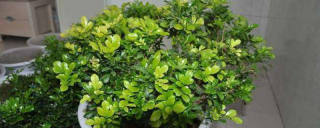
From a botanical perspective, Aglaia odorata, commonly known as the Chinese Perfume Tree, possesses several inherent characteristics that make it a suitable candidate for bonsai. It is a small, slow-growing evergreen tree or large shrub in its natural habit, which aligns well with the bonsai requirement for plants that can tolerate and thrive under the constraints of a shallow pot and regular pruning. Its growth rate allows the bonsai artist to develop the tree's structure gradually without it quickly outgrowing the desired form. Furthermore, its woody stem lignifies well, enabling it to develop the girth and bark texture characteristic of an aged, miniature tree over time.
The plant exhibits a favorable response to the two most critical bonsai practices: pruning and wiring. Aglaia odorata back-buds reliably on older wood. This means that if a branch is cut back, it will often produce new shoots from dormant buds closer to the trunk, allowing for ramification (the development of fine branches) and the refinement of the tree's silhouette. Its branches are also relatively flexible when young, making them amenable to shaping with aluminum or copper wire. However, care must be taken as the bark can be somewhat soft and may be marked easily by too-tight wires, requiring regular monitoring and adjustment.
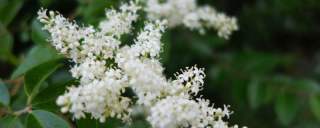
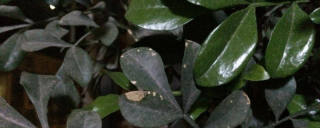
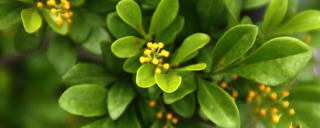
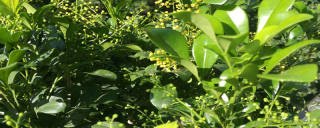
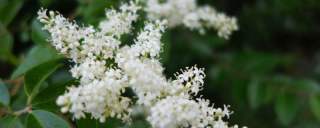
A key aesthetic feature of Aglaia odorata is its foliage, which is highly desirable for bonsai. The leaves are naturally small, pinnate, and glossy, creating a fine texture that scales down perfectly to a miniature tree composition. They are densely arranged, allowing for the development of a full and lush canopy. The plant can be defoliated (a technique where most leaves are removed to encourage a new flush of smaller leaves) to further reduce leaf size and increase branch ramification. Additionally, the tiny, fragrant yellow flowers that give the tree its name can appear on a well-developed bonsai, adding an extra sensory dimension to the artwork.
To successfully maintain Aglaia odorata as a bonsai, its specific environmental needs must be met. It is a tropical species, thriving in USDA zones 10-11, and must be protected from temperatures below approximately 40°F (4°C). In temperate climates, it must be grown as an indoor bonsai or provided with significant winter protection. It prefers bright, indirect light and consistently moist but extremely well-draining soil. The root system is robust but must be pruned during repotting, which is best done every two to three years in spring, to maintain the health of the tree within its confined space. A balanced, slow-release fertilizer will support its steady but slow growth without forcing excessive, coarse shoots.