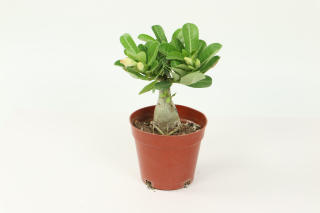
1. Watering: the Begonia has certain drought resistance, so the cultivated soil should not be too wet, or the rotten roots will hinder its growth. In particular, less water is needed during flowering, which will cause the phenomenon of falling flowers.
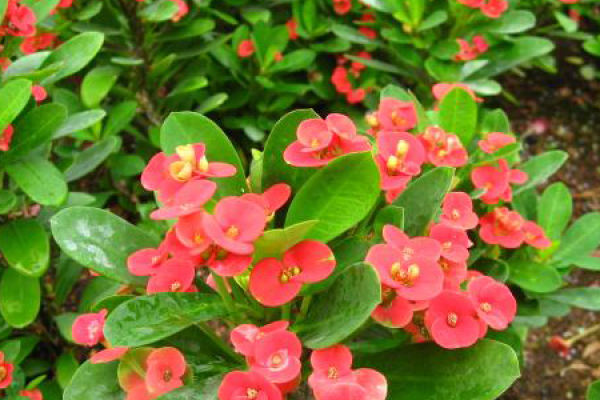
2. Temperature: it is better to give it a growth environment of 15-20 ℃, which is relatively cold, and the breeding temperature should not be lower than 10 ℃. If the temperature during the winter is lower than 0 ℃, it will be frostbitten and probably die.
3. Fertilization: during the growth period of the plant, the fertilizer should be applied every 15-20 days. The amount of fertilizer applied should not be too much, especially the amount of nitrogen fertilizer should be strictly controlled. If too much fertilizer is applied, it is easy to grow in vain. During the period of plant pregnancy, 1 - 2 times of P and K fertilizer should be applied to help it bloom.
4. Light: it is suitable for growing in an environment with sufficient light intensity, and cannot be placed in a dark place for a long time, which will seriously affect its flowering. In midsummer, you should pay attention to shade, or you will burn the plant.
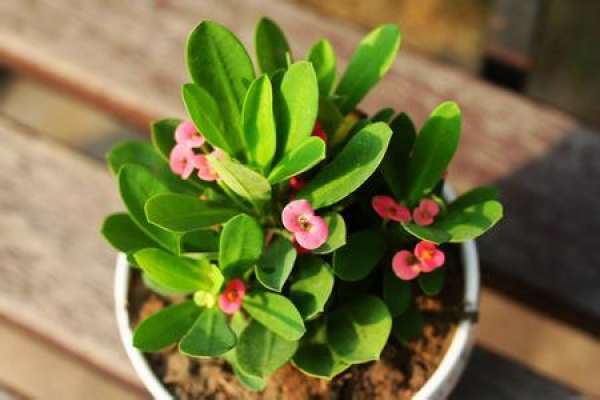
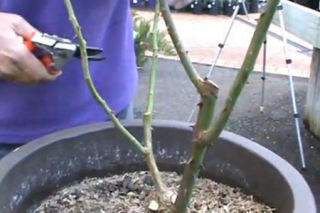
Most of them are cuttings. We should prepare the sterilized substrate in advance and choose the best one in the growth period. Cut the branches with 3-4 leaf nodes, apply appropriate amount of plant ash at the cutting position, and then put it in the shade to dry. When the incision becomes dry, insert it into the substrate, water it once and wait for about 2 months to take root.