1. Temperature: the most suitable temperature range for its growth is from 18 to 28 ℃. However, it likes the environment with larger temperature difference, so it can be kept at about 15 ℃ at night. In winter, because it is not very cold resistant, so it needs to be placed in an environment of no less than 7 degrees, or it will suffer from frost damage.
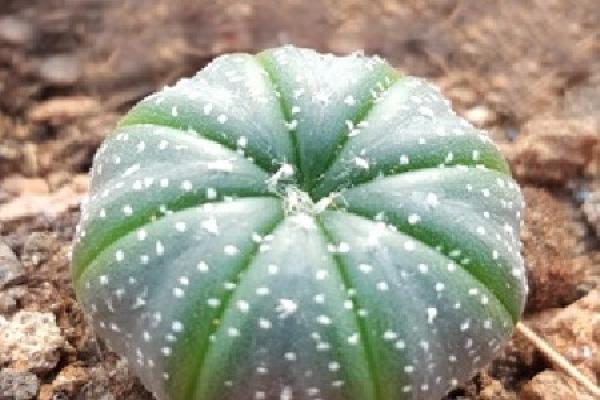
2. Light: it likes good light, and it is not afraid of strong light. On the contrary, it is not good at negative tolerance. According to these characteristics, it needs to be placed in a place with good sunshine conditions so that it can develop well. Don't put it in the dark. If it is indoors, it can be kept by the window.
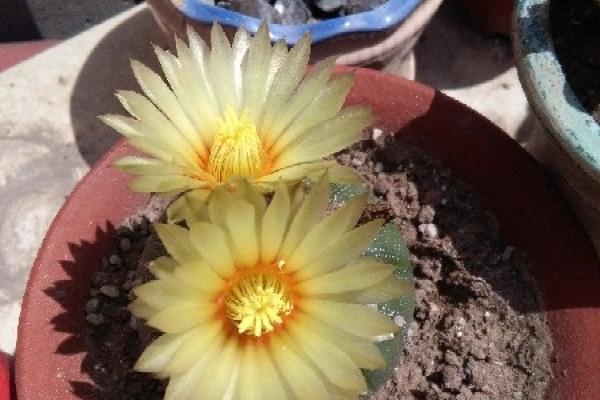
3. Watering: Xingdou is more drought resistant because of its strong ability to store water. Therefore, a slightly dry environment is suitable. After the substrate is dry, add water again, do not accumulate water.
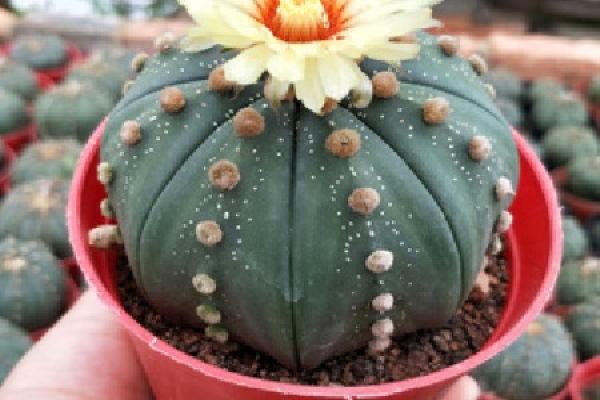
4. Fertilization: Xingdou needs little fertilizer. Mix a little bit in the soil, top dressing can be two or three months.
1. Reproduction: the common way is sowing. In spring, it is the most appropriate. Generally speaking, "pot seeding" can be adopted. The conditions are suitable for indoor operation. In this way, it can germinate in three or five days. However, it will take about three or four years to bloom.
2. Basin change: when cultivating Xingdou, basin change is not particularly frequent. Generally speaking, once every five or six years. Select the substrate with good drainage capacity and ventilation, such as sandy soil, and mix some organic fertilizer. After changing the basin, water it slightly and place it in a cool place.
1. Diseases: there are not too many diseases in Xingdou. In the case of very sultry and poor ventilation, "anthrax" may occur. In the use of chlorothalonil and other agents, but also timely ventilation, to ensure that the surrounding conditions are appropriate.
2. Pests: there are not too many pests. If they appear, they need to be eliminated in time when the quantity is not large
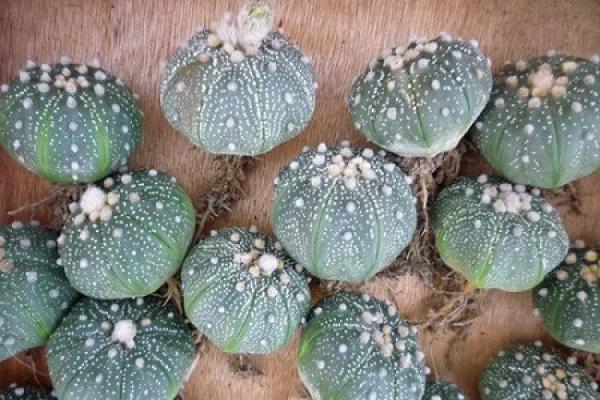
1. Toxicity: it is a kind of cactus. It is not only non-toxic, but also has strong purification ability.
2. Whether it can be raised at home: Yes, but it is a vulnerable species, which may be more expensive.