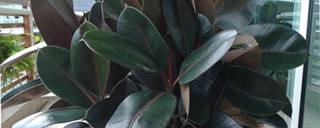
The Rubber Fig, scientifically known as Ficus elastica, is a popular houseplant prized for its glossy, broad leaves and adaptability. Native to tropical regions of Southeast Asia, this plant thrives in environments that mimic its natural habitat, particularly in terms of light exposure. Understanding its light requirements is essential for maintaining healthy growth and vibrant foliage.
The Rubber Fig prefers bright, indirect light for optimal growth. In its natural habitat, it grows under the canopy of taller trees, receiving filtered sunlight. Indoors, placing the plant near an east- or north-facing window is ideal, as these locations provide gentle morning or indirect light. Direct afternoon sun, especially from south- or west-facing windows, can scorch the leaves, causing brown spots or yellowing.
While the Rubber Fig thrives in bright, indirect light, it can tolerate medium to low light conditions. However, growth may slow, and the leaves may become smaller or lose their deep green hue. In such cases, rotating the plant periodically ensures even light distribution. Avoid placing it in deep shade, as this can lead to leggy growth and leaf drop.
Prolonged exposure to direct sunlight can harm the Rubber Fig. Symptoms of light stress include:
If direct sunlight is unavoidable, use sheer curtains to diffuse the light or move the plant slightly farther from the window.
Light conditions change with seasons, and the Rubber Fig's needs may vary:
In spaces with insufficient natural light, LED or fluorescent grow lights can sustain the Rubber Fig. Place the light source 12–24 inches above the plant and maintain a 12–14-hour daily cycle. Full-spectrum bulbs are ideal, as they mimic natural sunlight and support photosynthesis.
Watch for these indicators that your Rubber Fig isn’t receiving enough light:
If these signs appear, gradually increase light exposure to avoid shocking the plant.
Providing the right light conditions is crucial for the Rubber Fig’s health. Bright, indirect light is ideal, but the plant can adapt to lower light with proper care. Monitor its response to light changes and adjust placement accordingly to ensure lush, vibrant growth.