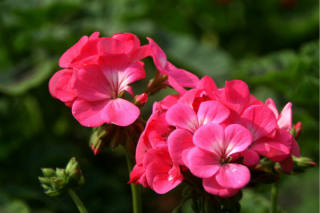
As a hydrangea, I am particularly vulnerable to frost due to my tender stems and buds. My roots, stems, and flower buds can suffer severe damage when temperatures drop below freezing. Frost can cause cell walls to rupture, leading to wilting, browning, and even death of my tissues. Early frosts in fall or late frosts in spring are especially dangerous, as they can kill my newly formed buds, preventing me from blooming the following season.
Before winter arrives, I undergo a natural hardening process. As daylight shortens and temperatures cool, I slow my growth and begin storing energy in my roots. My stems gradually become woodier, which helps me withstand colder conditions. However, this process takes time, and sudden temperature drops can disrupt it. To assist me, avoid fertilizing or pruning in late summer, as this may encourage new growth that won’t have time to harden before winter.
My roots are my lifeline during winter. A thick layer of mulch (about 4-6 inches) around my base helps insulate the soil, keeping it at a more stable temperature. Organic materials like straw, shredded leaves, or pine bark are ideal. Mulch also retains moisture and prevents freeze-thaw cycles that can heave my roots out of the ground. Be sure to apply mulch after the first hard frost but before the ground freezes solid.
For hydrangeas like me that bloom on old wood (e.g., Hydrangea macrophylla), protecting my stems and buds is critical. Wrap my branches loosely with burlap or frost cloth, securing them with twine. Avoid plastic covers, as they can trap moisture and cause rot. Alternatively, you can build a simple frame around me and fill it with dry leaves for extra insulation. This barrier shields me from harsh winds and freezing temperatures.
If I’m growing in a container, I’m even more exposed to cold. Move me to a sheltered location, such as an unheated garage or against a south-facing wall. Ensure my pot is insulated with bubble wrap or burlap to prevent the roots from freezing. Water me sparingly during winter, as dormant plants need less moisture, but don’t let my soil dry out completely.
Well-meaning gardeners sometimes harm me by pruning too late in the season. Remember, I form my flower buds in late summer, so pruning in fall or winter removes next year’s blooms. Also, avoid heavy snow accumulation on my branches, as the weight can snap them. Gently brush off snow or tie my stems together for support.
After winter, check me for frost damage. Brown or brittle stems may need pruning, but wait until spring when new growth emerges to assess the extent of the damage. Gradually remove mulch and wraps as temperatures rise to prevent overheating. A balanced fertilizer in early spring helps me recover and prepare for a new growing season.