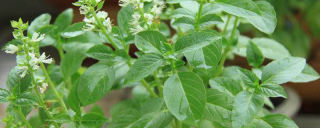
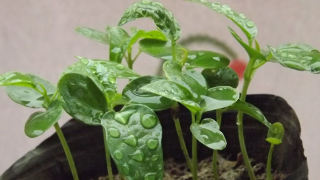
From a plant's perspective, thyme thrives when its roots have enough space to grow but are not overly confined. A pot with a diameter of at least 6-8 inches is ideal, as it allows the roots to spread comfortably. Ensure the container has drainage holes to prevent waterlogging, which can suffocate the roots and lead to root rot. Terra cotta or clay pots are excellent choices because they allow the soil to breathe, mimicking thyme's natural rocky or sandy habitat.
Thyme prefers well-draining, slightly alkaline soil with a pH between 6.0 and 8.0. A mix of potting soil, coarse sand, and perlite (in a 2:1:1 ratio) replicates the loose, gritty conditions thyme loves. Avoid heavy, moisture-retentive soils, as they can cause root stress and fungal diseases. From the plant's viewpoint, good aeration in the soil is crucial for healthy root development and nutrient uptake.
As a Mediterranean herb, thyme craves full sun—at least 6-8 hours of direct sunlight daily. When grown in pots, place the container in a south-facing window or on a sunny balcony. Insufficient light can weaken the plant, causing leggy growth and reduced essential oil production in the leaves, which diminishes its flavor and aroma.
Thyme is drought-tolerant and dislikes soggy conditions. Water the plant only when the top inch of soil feels dry to the touch. Overwatering can drown the roots, while underwatering may cause the leaves to wilt and dry out. From the plant's perspective, a consistent but moderate watering routine ensures hydration without stress.
Thyme is a light feeder and thrives in nutrient-poor conditions similar to its native habitat. Over-fertilizing can lead to excessive leafy growth with weak flavor. Use a diluted, balanced liquid fertilizer (half-strength) once every 4-6 weeks during the growing season (spring to early fall). Avoid fertilizing in winter when the plant is dormant.
Regular pruning encourages bushier growth and prevents the plant from becoming woody. Trim the stems by one-third in early spring or after flowering. Harvest leaves as needed, but avoid removing more than one-third of the plant at once. From thyme's perspective, gentle pruning mimics natural grazing and promotes vigorous regrowth.
Thyme is relatively pest-resistant but can occasionally attract spider mites or aphids. A strong spray of water or neem oil can deter these pests. Ensure good air circulation around the plant to prevent fungal diseases like powdery mildew. From the plant's viewpoint, stress-free conditions with proper spacing and airflow reduce susceptibility to infestations.
In colder climates, thyme in pots is more vulnerable to freezing temperatures. Move the container indoors to a sunny spot or insulate it with mulch. Reduce watering during dormancy. From the plant's perspective, winter is a rest period, and minimal intervention helps it conserve energy for spring regrowth.
Thyme grows slowly but may eventually outgrow its pot. Repot every 2-3 years in early spring, gently loosening the roots and refreshing the soil. Choose a slightly larger container to avoid shocking the plant. From thyme's viewpoint, repotting provides renewed nutrients and space for continued health.