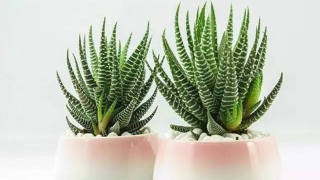
Haworthiopsis, formerly classified under the genus Haworthia, is a group of small, succulent plants native to Southern Africa. These plants are popular among enthusiasts for their rosette-forming leaves and low-maintenance requirements. While Haworthiopsis is commonly propagated through offsets or leaf cuttings, growing them from seeds is also possible, though it requires patience and specific conditions.
Haworthiopsis seeds are tiny and must be harvested from mature plants after flowering. The seeds are typically contained in dry capsules that split open when ripe. For successful germination, seeds should be fresh, as their viability decreases over time. Proper storage in a cool, dry place can extend their lifespan, but sowing them soon after collection yields the best results.
Haworthiopsis seeds require specific environmental conditions to germinate. A well-draining substrate, such as a mix of coarse sand and potting soil, is essential to prevent rot. The seeds should be lightly pressed onto the soil surface without being buried, as they need light to germinate. Maintaining consistent moisture (but not waterlogging) and temperatures between 68–77°F (20–25°C) encourages germination, which can take anywhere from a few weeks to several months.
Bright, indirect light is crucial for seedling development. Direct sunlight can scorch the delicate seedlings, while insufficient light may cause elongation and weakness. A humidity dome or plastic wrap can help retain moisture during the early stages, but it should be removed periodically to prevent fungal growth. Gradually acclimating seedlings to lower humidity as they grow is important for their long-term health.
Haworthiopsis seedlings grow slowly, often taking several years to reach maturity. During this period, they require careful watering—allowing the soil to dry slightly between waterings—to avoid root rot. Fertilization should be minimal, using a diluted succulent fertilizer during the growing season (spring and summer). Transplanting seedlings into individual pots once they develop a few true leaves helps prevent competition and overcrowding.
Growing Haworthiopsis from seeds presents challenges, including low germination rates, susceptibility to fungal infections, and the slow growth of seedlings. Sterilizing the soil before sowing and maintaining clean conditions can mitigate some risks. Additionally, cross-pollination between different Haworthiopsis species may produce hybrid seeds, leading to unpredictable traits in the offspring.
Despite the challenges, seed propagation offers unique benefits. It allows growers to produce a large number of plants from a single seed capsule and introduces genetic diversity, which can lead to new and interesting variations. For breeders and collectors, growing Haworthiopsis from seeds is a rewarding way to explore the plant's full potential.