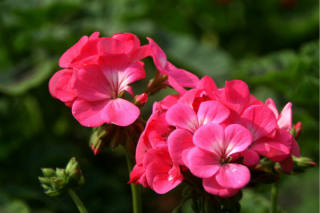
Ranunculus, commonly known as buttercups, are a genus of flowering plants that thrive in temperate regions. They are typically found in meadows, woodlands, and damp areas, where they enjoy cool but not freezing conditions. Most species are perennial, meaning they can live for several years, but their ability to withstand frost depends on their specific variety and environmental adaptations.
Not all Ranunculus species react the same way to frost. For example, Ranunculus asiaticus (Persian buttercup) is more sensitive to cold and often grown as an annual in frost-prone areas. In contrast, Ranunculus repens (creeping buttercup) is hardier and can survive light frosts due to its creeping rhizomes, which store energy below the soil surface. The plant's cold tolerance is largely determined by its root structure and genetic adaptability.
When temperatures drop, Ranunculus plants undergo several physiological changes to cope with stress. Their above-ground foliage may die back, but the roots or tubers often remain dormant underground. The plant reduces metabolic activity to conserve energy, a survival strategy known as dormancy. However, prolonged exposure to freezing temperatures can damage cell structures, especially if ice crystals form within the tissues, leading to irreversible harm.
To enhance survival during frost, Ranunculus relies on natural and human-assisted protections. In the wild, snow cover acts as an insulating blanket, shielding the roots from extreme cold. Gardeners can mimic this by applying mulch (e.g., straw or leaves) over the soil. For potted Ranunculus, moving containers to a sheltered location or indoors is advisable. Additionally, planting in well-draining soil prevents waterlogging, which exacerbates frost damage.
Geographical location plays a critical role in Ranunculus' winter survival. In USDA hardiness zones 8–10, where winters are mild, Ranunculus can often survive outdoors with minimal protection. In colder zones (below zone 7), lifting tubers after the first frost and storing them in a dry, cool place until spring is recommended. This mimics the natural cycle of temperate-climate species that retreat underground during harsh conditions.
Frost-damaged Ranunculus exhibit blackened or mushy leaves and stems. While the foliage may not recover, the roots might still be viable if protected. After a frost event, trimming dead growth and assessing root health is essential. If the roots are firm and white, the plant may regrow in spring. In cases of severe damage, replanting with fresh tubers may be necessary.
Selective breeding has produced some frost-tolerant Ranunculus varieties, though most remain sensitive to hard freezes. Research into cold-hardy cultivars continues, focusing on enhancing sugar concentrations in cells (a natural antifreeze) and deeper root systems. For now, understanding the limits of each species and providing tailored care remains the best approach to winter survival.